12×16 Cedar Patio Cover
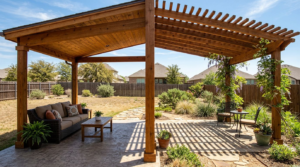
A 12×16 cedar patio cover hits a sweet spot. It’s large enough to feel like an outdoor room, but not so big that it overwhelms your yard or roofline.
If you’re in Denton or nearby North Texas cities, size alone isn’t the whole story. Sun angle, drainage, wind uplift, and clean tie-in details decide whether your cover feels solid for years or becomes a maintenance headache.
Below, you’ll see what “12×16” really means in daily use, which design choices matter most, and the build details that protect both the cover and your home.
What a 12×16 cedar patio cover feels like in real life
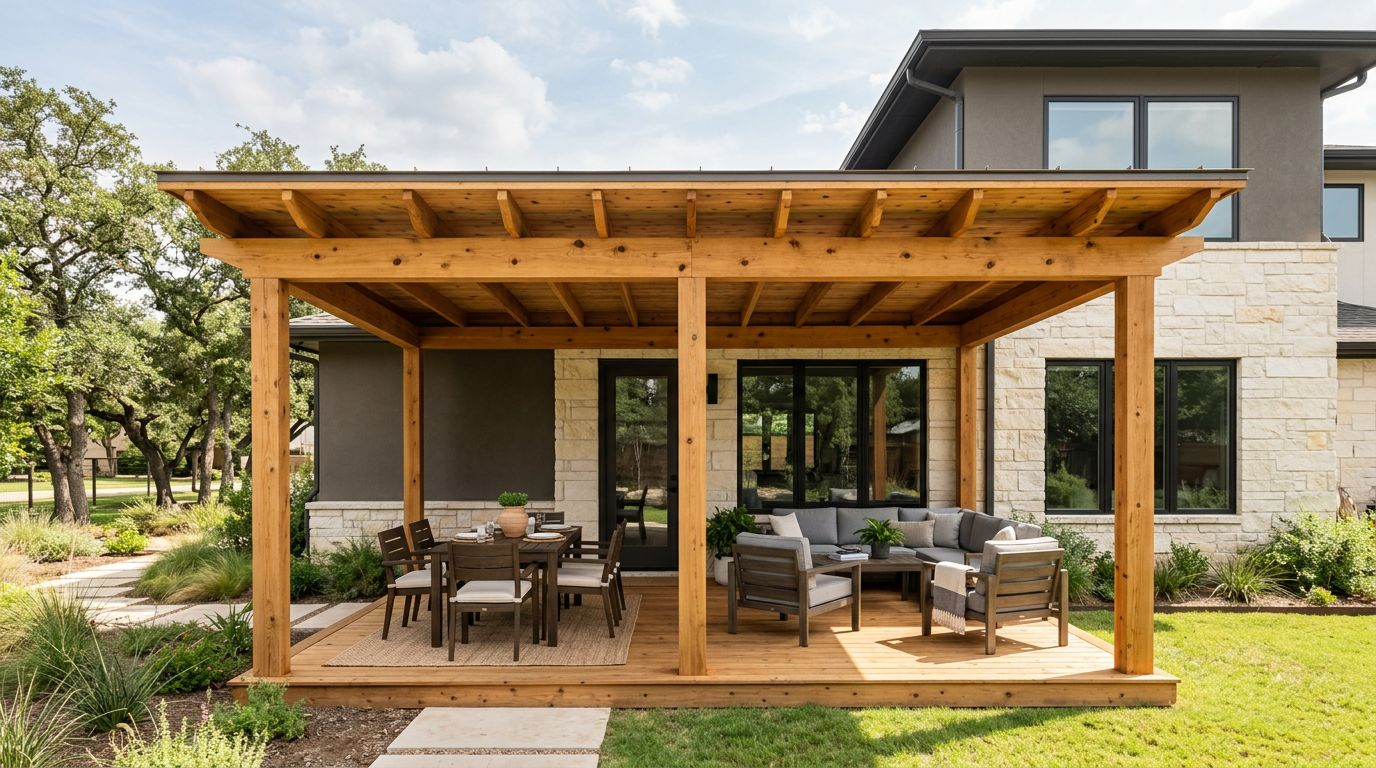
Think of 12×16 as the “goldilocks” footprint for many homes. You can place a table, leave walking space, and still have room for a grill without bumping into posts.
In practical terms, this size often works well for:
- A 6-person dining set plus a serving cart
- A conversational seating area (so chairs don’t sit in the sun)
- A grill zone that stays dry during light rain
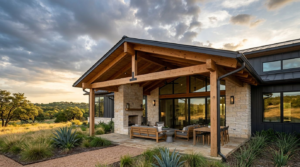
Because cedar is naturally attractive, a cedar cover doesn’t need fancy extras to look finished. Clean posts, crisp beam lines, and consistent end cuts can make the structure look like it was part of the original plan.
Placement matters just as much as size. For example, west-facing patios in Denton, Argyle, and Flower Mound often take harsh late-day sun. A 12-foot projection can make a big comfort difference, especially when you step outside after work.
If your goal is a tailored look instead of a kit feel, start by reviewing how custom cedar patio covers are designed around rooflines, trim, and drainage. That “matched” look usually comes from the planning, not the price tag.
Framing choices that decide strength, shade, and headroom
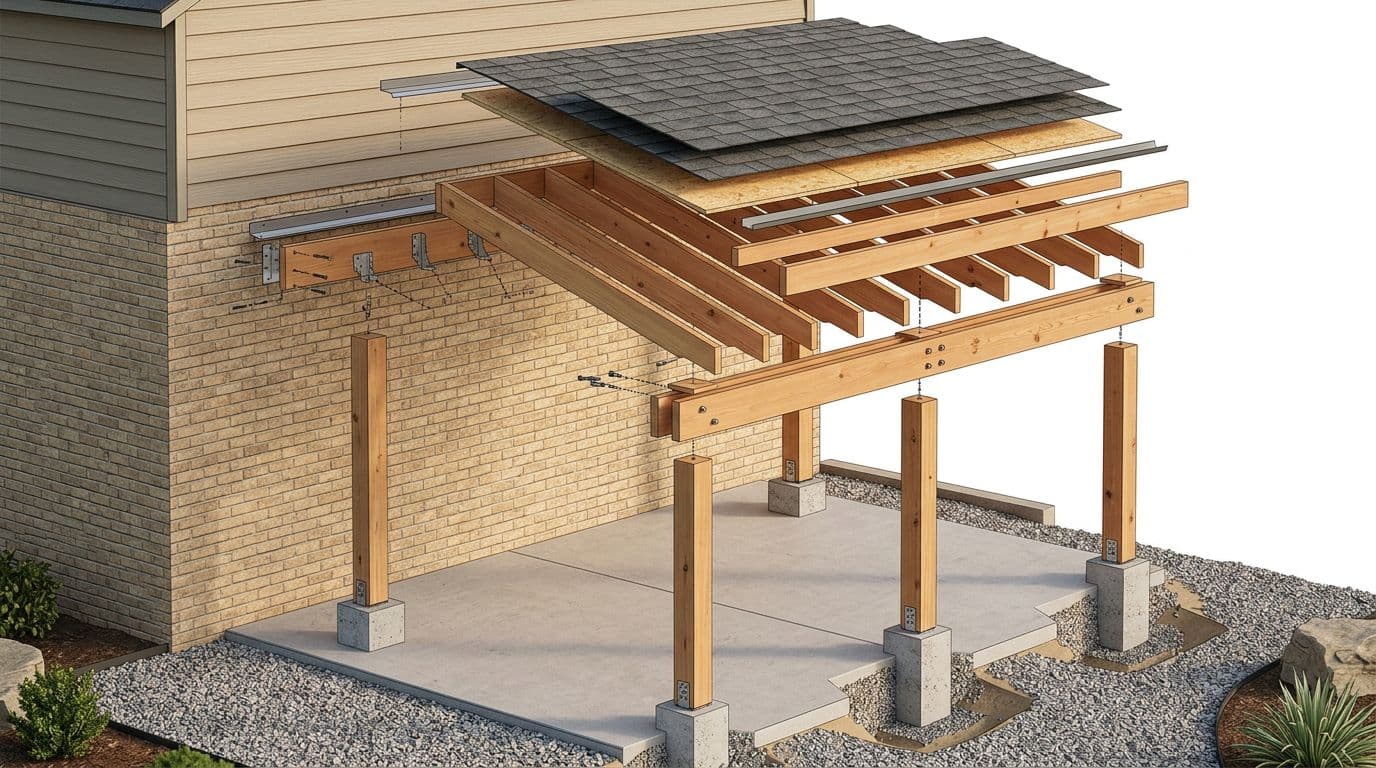
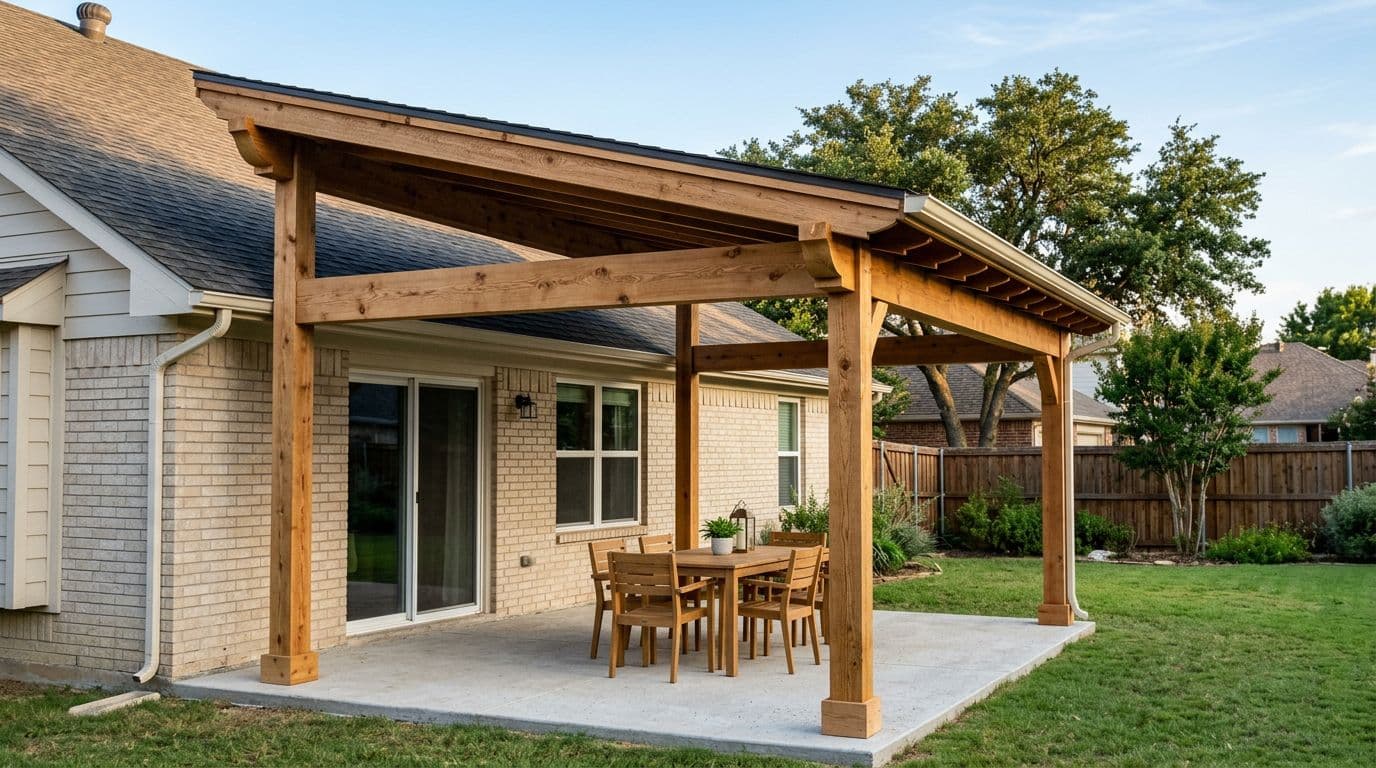
A 12×16 cover can be attached (tied into the house) or freestanding. Attached covers are common because they create a smooth transition from your back door to shade.
Most 12×16 attached builds you’ll see use four posts along the outside edge. From there, the structure depends on a few core decisions: beam size, rafter spacing, and roof style. Many builders frame rafters at 16 inches on-center, then add blocking for stiffness and cleaner lines.
Here’s a quick way to think about roof style options for a 12×16:
| Roof style | What you get | When it’s a good fit |
|---|---|---|
| Shed (single-slope) | Simple framing, straightforward drainage | Tight roofline match, modern and clean |
| Gable | More height, classic “pavilion” feel | You want airflow and a bigger visual statement |
If you want inspiration for a simple single-slope layout, this set of 12×16 lean-to pavilion plans can help you visualize the concept. Still, treat online plans as a starting point, not a permit-ready solution, since local codes and wind requirements vary.
You’ll also run into prefabricated kits online. Looking at a 12×16 cedar pavilion kit example can help you compare what’s “included” versus what a custom build can tailor (post placement, roof tie-in, trim details, and electrical prep).
If you remember one structural rule, remember this: water must move away from the house, and the roofline has to make that easy.
The small details that protect your home (footings, flashing, hardware)
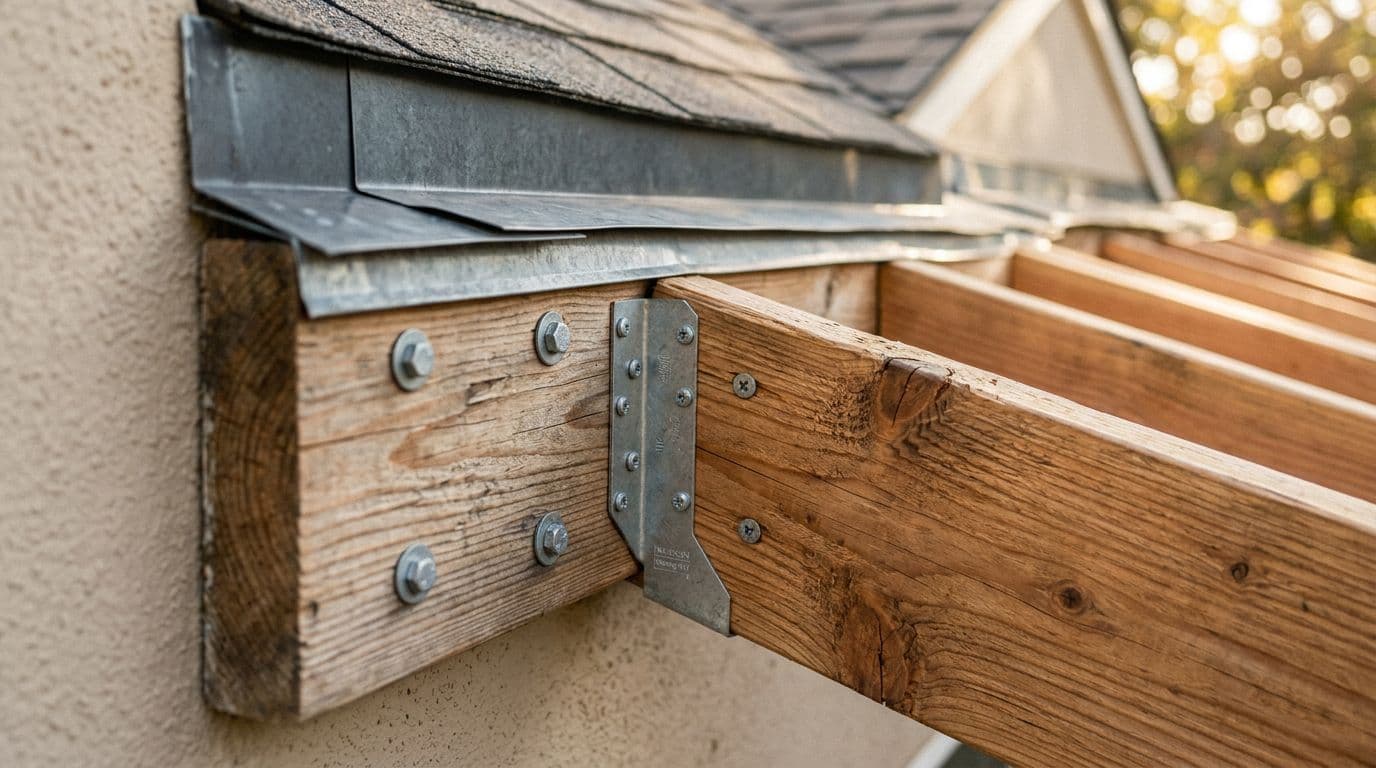
A cedar patio cover can look perfect on day one and still fail early if the connection points are wrong. That’s why pros spend time on the “boring” parts: post bases, uplift-rated connectors, and correct flashing.
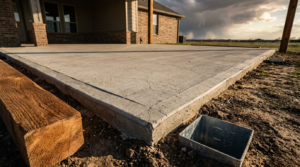
In North Texas, footings deserve extra attention because expansive clay soils can shift with wet and dry cycles. Your builder should size and place footings for the load and local conditions, then use post bases that keep cedar out of standing water.
Next comes the ledger and roof-to-wall area (the spot that causes the most expensive problems when rushed). A proper ledger connection uses rated fasteners and, just as important, a flashing approach that directs water onto the roofing surface, not behind the wood.
A patio cover shouldn’t become a slow roof leak. Flashing and fasteners are where quality shows up first.
Permitting can also affect details. Denton, Lewisville, and Frisco may look at setbacks, attachment methods, and uplift resistance differently. If you want a local builder who handles those local expectations, start with custom cedar patio covers Denton TX and ask how the structure will be anchored, flashed, and inspected.
If you like the heavier “timber” look, reviewing a 12×16 timber frame plan can help you spot the visual differences (thicker members, different joinery style) before you choose a direction.
Cost drivers and upgrades that are worth planning early
A 12×16 cedar patio cover price can swing widely, even at the same size. Instead of focusing on a generic number, plan around the choices that move the budget the most.
The biggest drivers are usually the roof system (and tie-in complexity), the height and pitch, electrical add-ons, and finish level (smooth cedar, stained, sealed, decorative ends, and trim).
Also, decide early if you want “future-ready” framing. Adding blocking for a ceiling fan or running conduit paths now is far easier than opening finishes later.
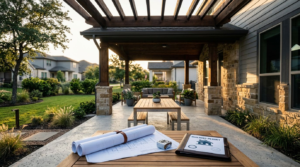
When you’re ready to price your project, call 469-340-0839 and ask for a layout that matches your patio, not a one-size template.
PAA-style Q&A: 12×16 cedar patio cover
How many posts do you need for a 12×16 patio cover?
Many 12×16 layouts use four outer posts, but the right answer depends on spans, roof load, and attachment method. Your builder should size beams and post spacing for your exact design.
Is a 12×16 cedar patio cover big enough for outdoor dining?
Yes, in most cases. You can fit a 6-person table and still keep walking space, especially if the posts are placed to avoid tight corners.
What roof style works best in North Texas storms?
A well-built shed or gable roof can both perform well. What matters most is proper anchoring for uplift, drainage design, and correct flashing at the house.
Do you need a permit for a cedar patio cover in Denton?
Often, yes, especially for attached structures. Requirements vary by city and lot conditions, so confirm early to avoid redesigns mid-project.
How do you keep a cedar patio cover looking good?
Plan to clean it gently and re-seal or re-stain on a schedule that matches sun exposure. South and west-facing covers usually need attention sooner.
Should you choose a kit or a custom build?
Kits can be convenient, but custom work lets you match rooflines, place posts where you want, and prep for fans and lighting from the start.
Ready to plan your 12×16 cedar patio cover?
A 12×16 cedar patio cover gives you shade that feels intentional, like it belongs with the home. Focus on layout, drainage, and connection details, and you’ll avoid the issues that show up after the first hard rain. If you want a clear plan for your Denton-area property, call 469-340-0839 and ask for a design that fits your roofline and how you actually use your patio.