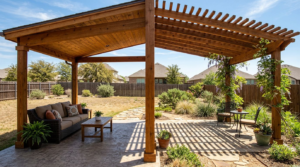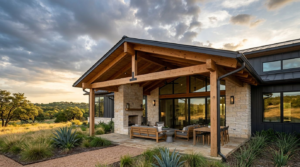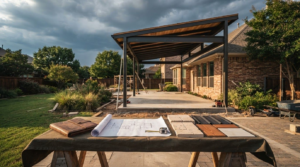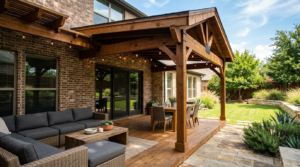
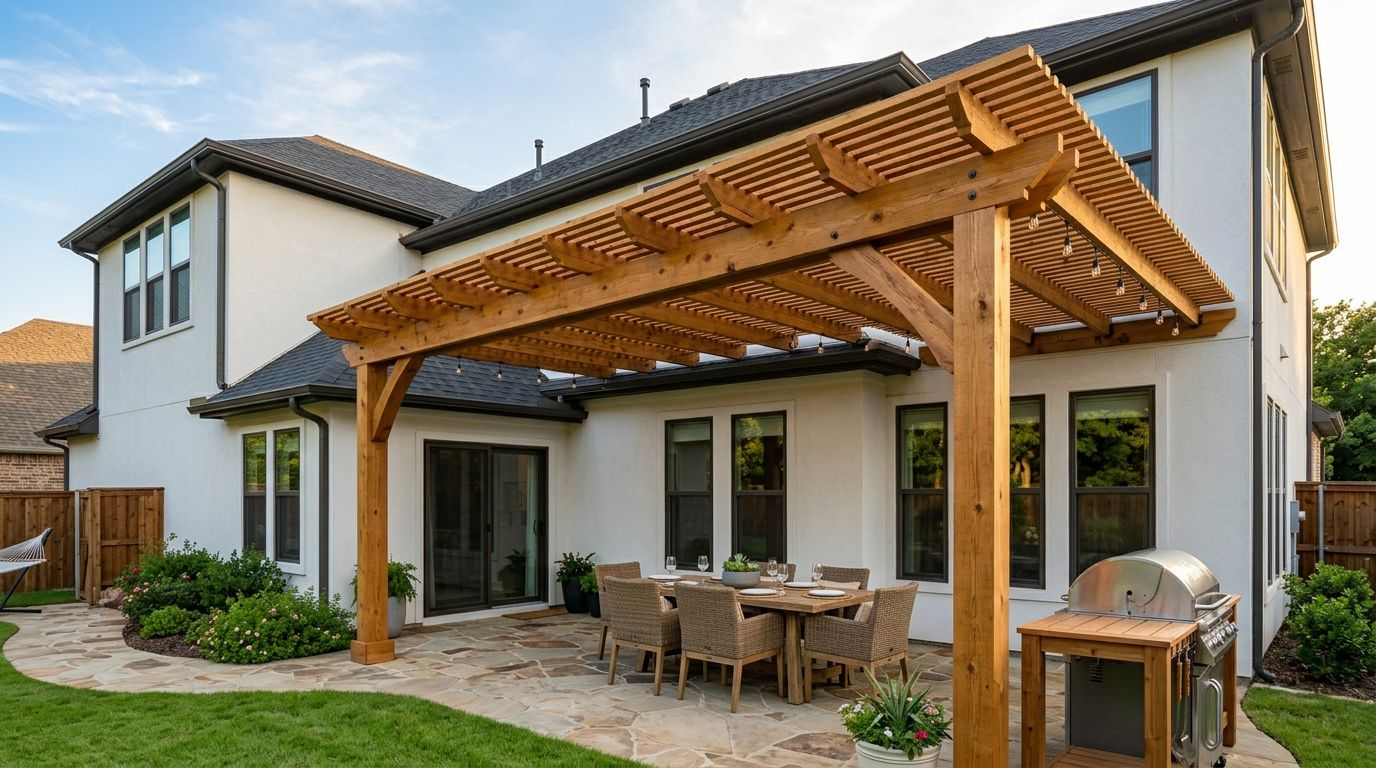
A 12×20 cedar patio cover hits a sweet spot. It’s big enough to feel like an outdoor room, yet it usually fits the footprint of a typical North Texas patio without swallowing your yard.
If you’re tired of baking in late-day sun, this size gives you real shade where you use it most: at the back door, over a dining set, or over the grill zone. Better still, cedar brings warmth and character that painted metal and prefab kits rarely match.
Below, you’ll see how a 12×20 layout works, what to ask for in the framing, and how to plan budget, permits, and care so your cover still looks great years from now.
Why a 12×20 layout works for everyday living outdoors
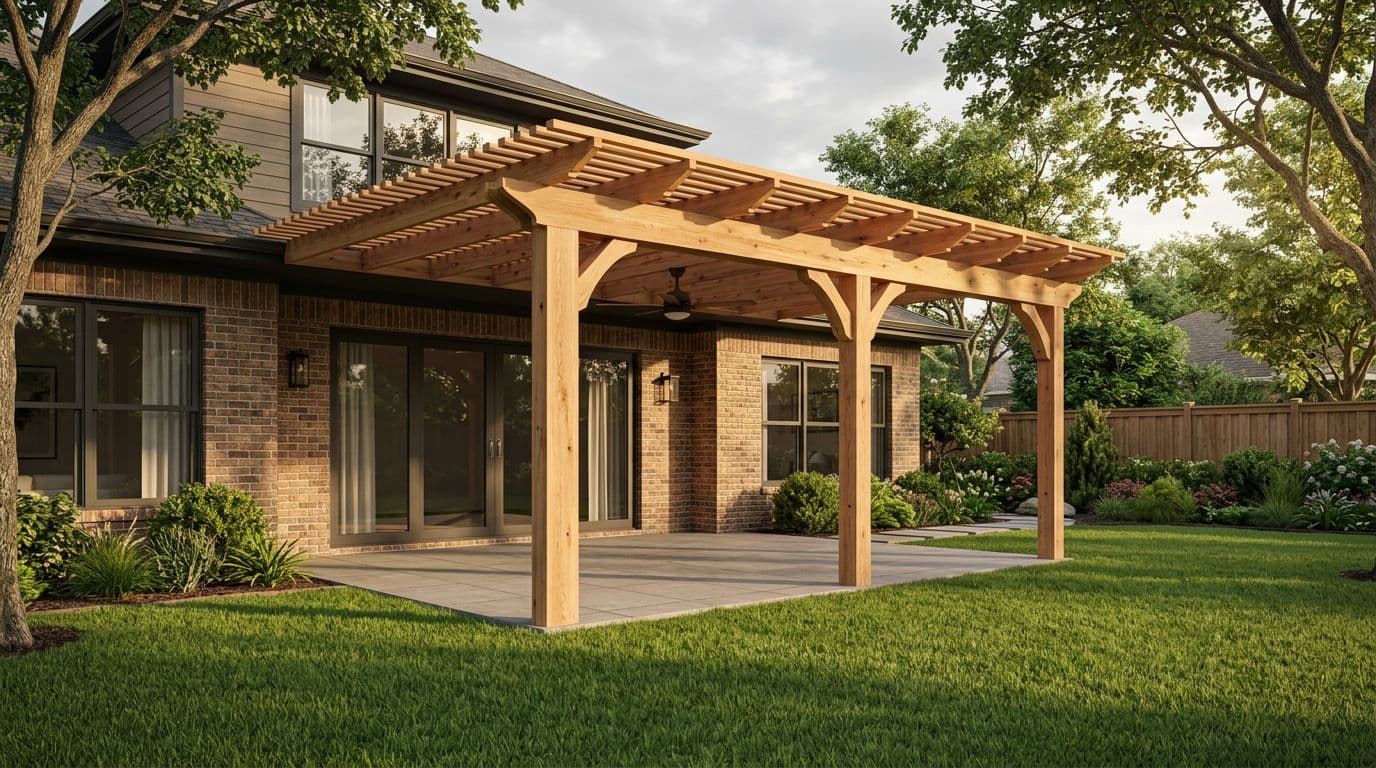
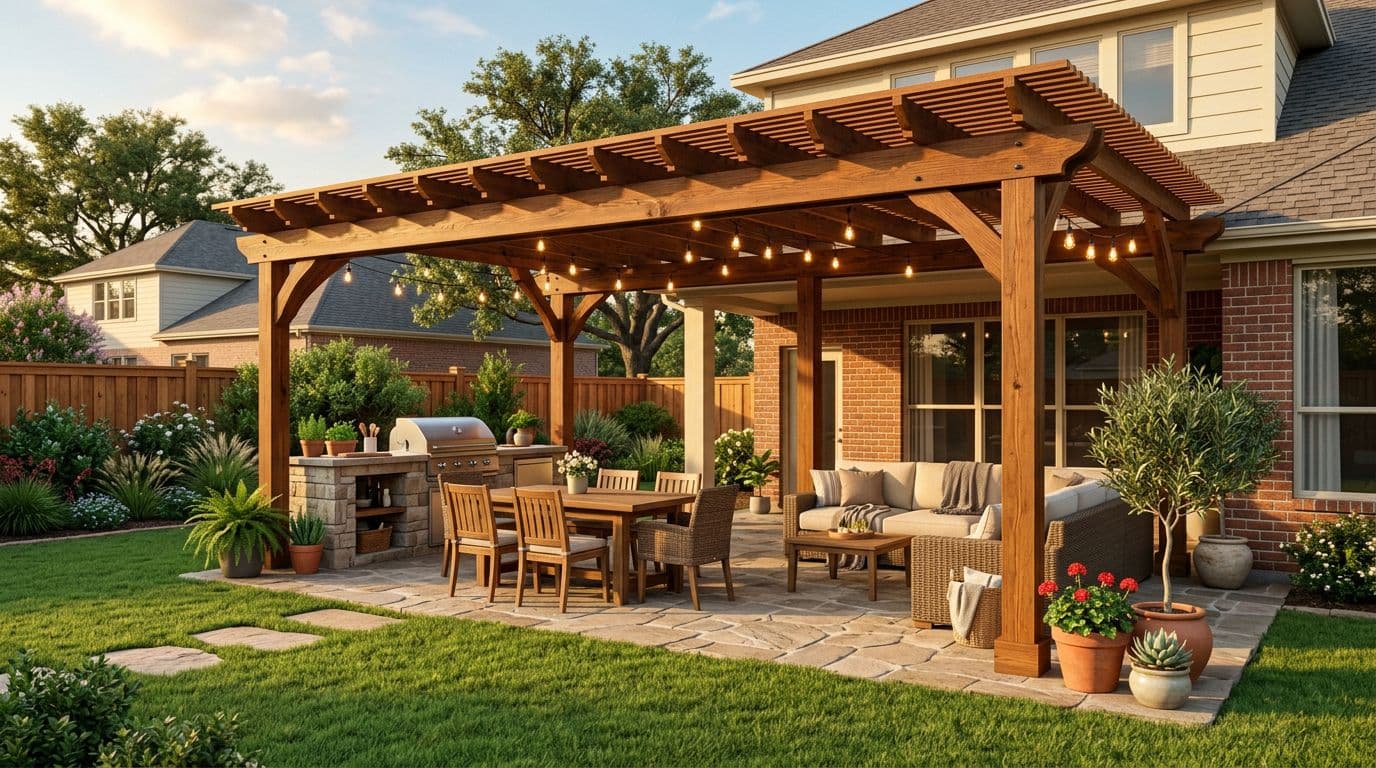
Think of 12×20 as a “one-car-garage” footprint for your backyard, except it’s open, airy, and made for comfort. With 12 feet of projection from the house, you can step outside and stay covered instead of standing in that sunny strip right at the back door. With 20 feet of width, you can spread activity zones across the slab instead of stacking everything in one tight cluster.
This size also tends to look balanced against many rear elevations. A cover that’s too small can look like an afterthought. One that’s too large can overpower windows and rooflines. A well-proportioned 12×20 usually reads like it was part of the original plan.
In practical terms, you can comfortably fit common setups such as:
- Dining first: A 6 to 8-person table plus a walking path behind chairs.
- Lounge and grill: Seating on one side, grill station on the other (so smoke stays away from conversation).
- Family flexible: A sofa set, a small kids’ play area, and still room to move.
Sun angle matters too. West-facing patios in places like Denton often take the hardest hit in the afternoon. A 12-foot projection can block a lot of that glare, especially when paired with smart rafter spacing or an added shade layer.
The best patio covers feel like shelter, not a cave. Size helps, but so does choosing the right roof style for light and airflow.
Cedar and framing details that separate “nice” from “built right”
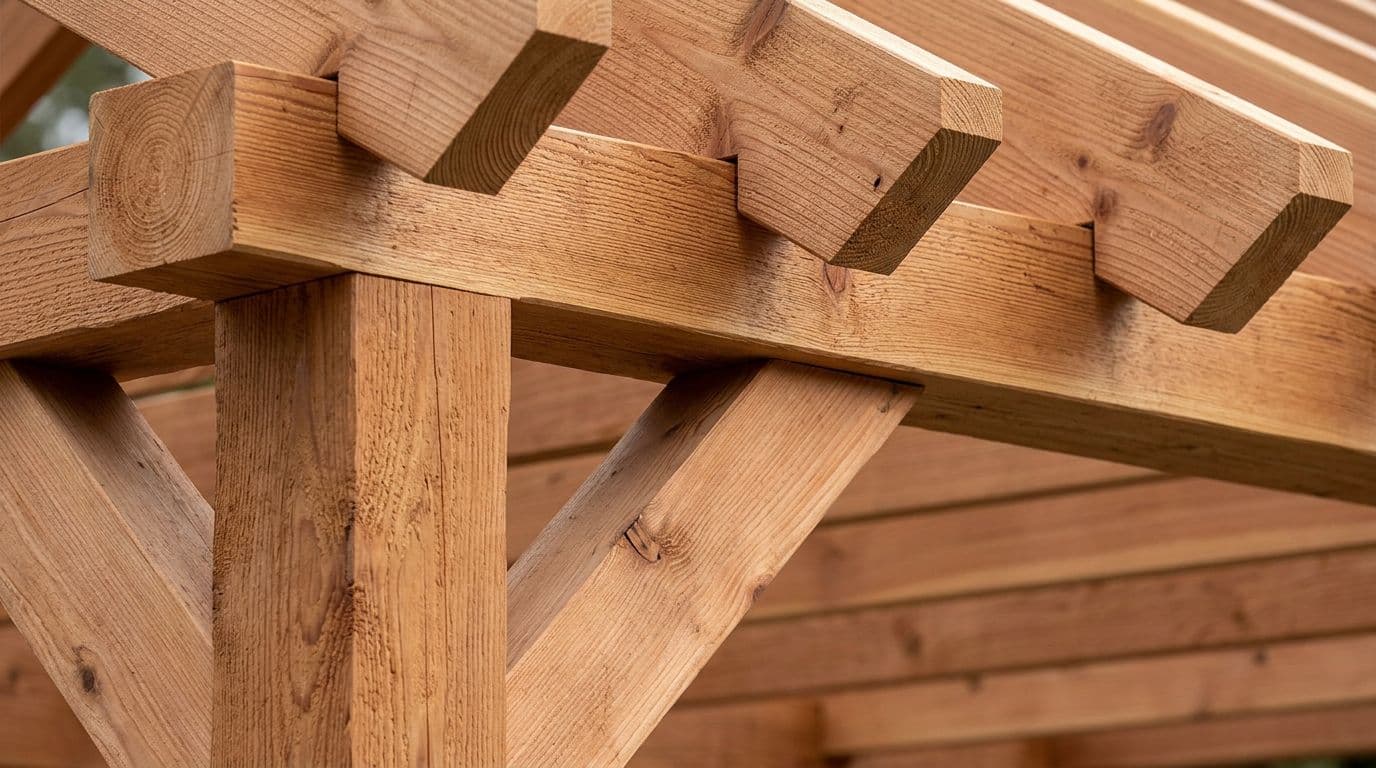
Cedar wins hearts because it doesn’t look manufactured. The grain has movement, the color shifts in sunlight, and the structure feels like real carpentry. For North Texas weather, cedar’s natural resistance to rot and insects is a plus, but it still needs smart detailing and a realistic maintenance plan.
When you’re planning a cedar patio cover, ask about the “bones,” not just the finish. Many 12×20 builds use structural members like 6×6 posts, 2×8 beams, and 2×6 rafters at 16 inches on-center, because those proportions look right and help the cover feel solid. Decorative knee braces can add stiffness and style, as long as they’re installed cleanly and don’t interfere with headroom.
Also pay attention to connection points:
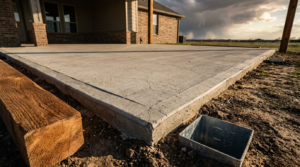
- Post bases and anchoring: Your posts shouldn’t sit directly on bare concrete where water can wick up.
- Ledger attachment at the house: This is where experience shows. A sloppy connection can invite leaks.
- Fasteners and hardware: Corrosion-resistant hardware matters, especially when cedar’s tannins meet moisture.
Roof style is the next big decision. Use this quick comparison to match performance to how you’ll use the space:
| Roof option | Shade and rain coverage | Best for | Tradeoffs |
|---|---|---|---|
| Open lattice | Dappled shade, little rain protection | Bright patios, plants, airflow | Still sunny in peak heat |
| Lattice plus polycarbonate panels | Shade plus better rain control | Dining areas, outdoor TVs | Needs proper slope and drainage |
| Solid roof cover | Strong shade and rain protection | All-weather seating, outdoor kitchens | Darker space, higher build complexity |
If you want a cover that handles both sun and sudden spring storms, lattice with panels can be a practical middle ground, as long as water has a clear path off the roof.
Don’t let anyone undersize the structure to “save wood.” A patio cover should feel steady when the wind kicks up.
Cost, permits, and upkeep for a 12×20 cedar patio cover in North Texas
A 12×20 cedar patio cover is simple to describe, but pricing isn’t one-number simple. Your final cost depends on roof style, height, post and footing needs, electrical add-ons, stain or paint, and how the cover ties into your roofline. As a reference point for custom cedar builds in Denton, JBN Patio Covers shares typical ranges and factors on their page for custom cedar patio covers in Denton TX. For broader, non-cedar benchmarks, you can compare general labor and install ranges using a pergola installation cost guide and national-level pergola cost averages.
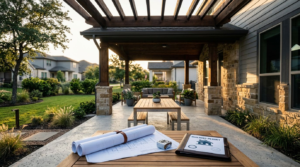
Permits and approvals can shape your timeline as much as lumber lead times. If you’re in Denton, you’ll often need a permit for an attached structure. If you’re in an HOA-heavy area closer to Frisco, you may have both HOA review and city requirements, which is why it helps to confirm patio covers near Frisco TX availability and process early. Many homeowners also plan the patio cover as part of a bigger upgrade, like lighting, seating walls, or an outdoor kitchen, which fits naturally with outdoor living solutions Denton TX.
Upkeep is the long game. Cedar can age into a silver patina if you let it. If you want to keep the warm tone, plan on cleaning and re-sealing on a regular schedule based on sun exposure. South and west exposures usually need attention sooner.
Quick Q&A (PAA-style)
Q: Is 12×20 big enough for a dining table and a sitting area?
Yes, if you plan zones. Put dining along one side and a compact lounge set on the other.
Q: How many posts does a 12×20 cover need?
Many designs use three outer posts for a 20-foot run, but the right answer depends on engineering and layout.
Q: Should you choose a lattice top or a solid roof?
Choose lattice for light and airflow. Choose a solid roof when you want consistent shade and better rain coverage.
Q: Do you need a permit in Denton or nearby cities?
Often, yes for attached covers. Start the conversation early so approvals don’t stall your build.
Q: What’s the fastest way to get an accurate quote?
Schedule an on-site review. Call 469-340-0839 to talk through size, roof style, and finish options.
Conclusion
A 12×20 cedar patio cover gives you shade you’ll actually use, with room to eat, lounge, and host without bumping elbows. If you focus on structure first, then choose the roof style that matches your weather needs, you’ll end up with a cover that feels like part of the house. When you’re ready to price your options and confirm local requirements, call 469-340-0839 and ask about a cedar patio cover designed for your specific backyard.