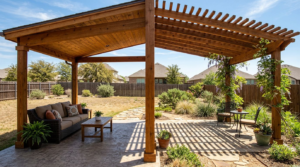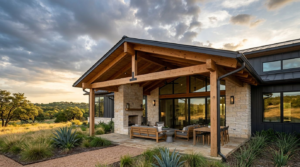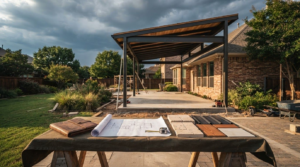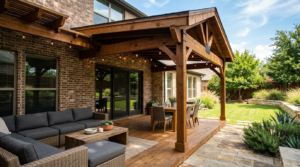
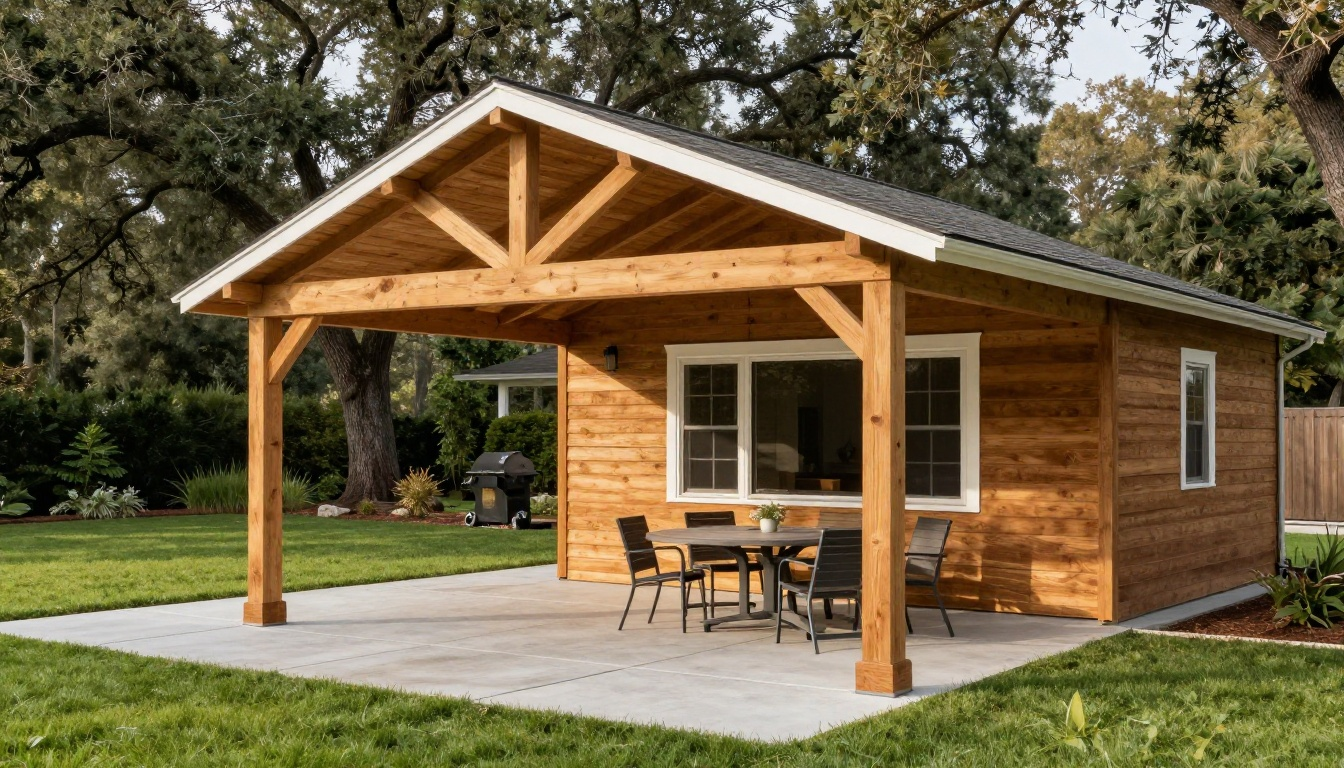
A 16×20 cedar patio cover is big enough to feel like an outdoor room, but not so big that it takes over your yard. At 320 square feet, it can cover a dining set and a grill, or a lounge setup with room to walk around.
If you want shade that looks like it belongs on your home, cedar is hard to beat. It brings warmth, clean lines, and a solid feel you can see from the street. Better still, the 16×20 footprint fits many North Texas patios without forcing a full backyard redesign.
When you’re ready to talk through a build, call 469-340-0839.
What a 16×20 cedar patio cover looks like (and why the size works)
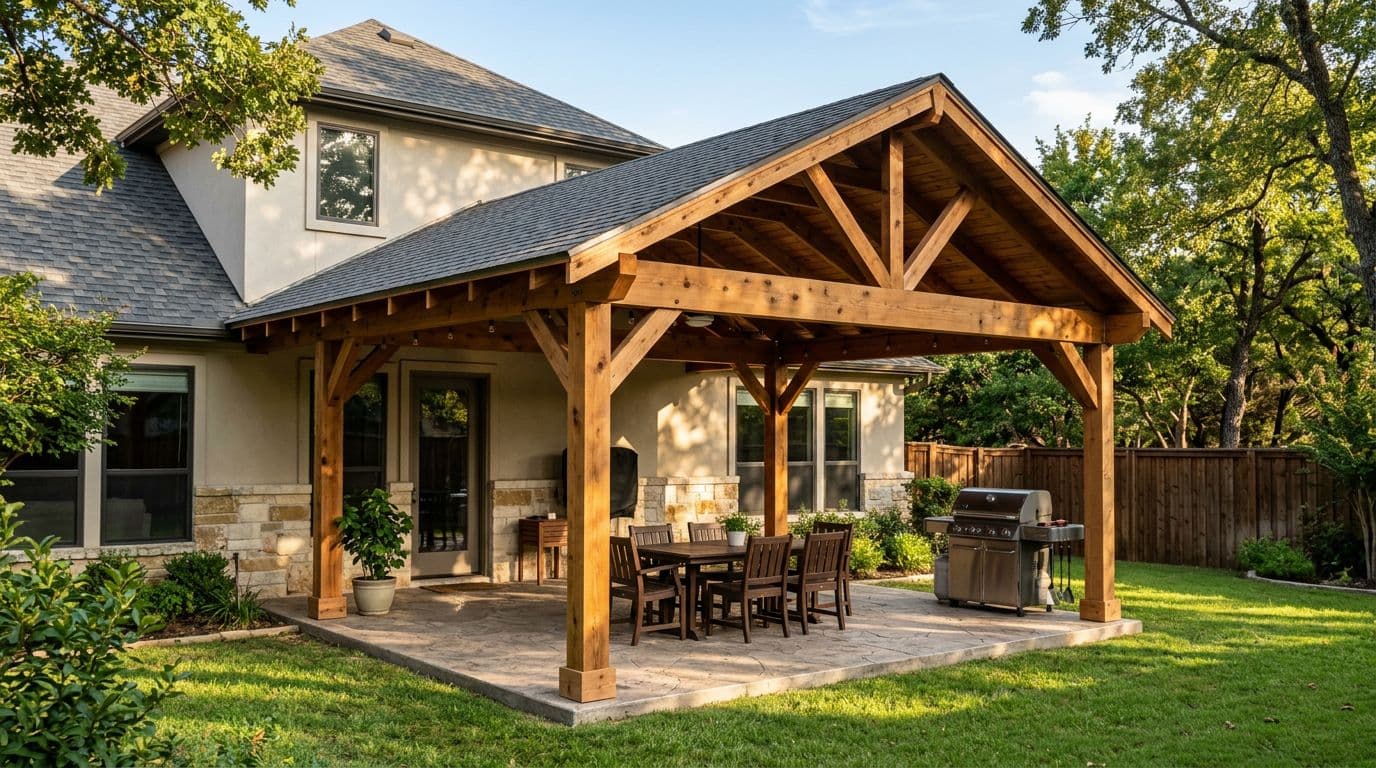
Think of 16×20 like a two-car garage footprint, flipped into a comfortable outdoor zone. You get enough depth for furniture placement that doesn’t feel cramped. At the same time, the span stays manageable for clean framing and good sightlines.
In real use, this size often supports:
- A 6 to 8-person dining table plus a serving cart.
- A grill area plus a lounge set.
- A “mixed” layout with dining on one side, seating on the other.
The bigger win is how it changes your daily habits. When shade is right outside your back door, you’ll use the patio more often, even in hot months. That matters in Denton and across North Texas, where late-day sun can cook an uncovered slab.
If you’re comparing layouts and finishes, start with custom cedar patio covers to see common attached and freestanding approaches and how cedar details change the look.
A quick sizing reality check before you commit
Measure more than the slab. You’ll also want to account for door swings, traffic paths, and grill clearance. As a simple rule, plan at least 36 inches for walkways where people pass behind chairs.
Here’s a practical way to picture common setups inside a 16×20:
| Layout goal | What fits comfortably | Watch-outs |
|---|---|---|
| Dining-first | 72-inch table, 6 to 8 chairs | Leave space to pull chairs back |
| Lounge-first | Sofa or sectional, coffee table, side chairs | Don’t block the back door path |
| Dining + grill | Table plus grill zone | Keep grill away from posts and rails |
| All-purpose | Dining on one end, seating on the other | Plan lighting for both zones |
The takeaway: 16×20 is forgiving, but you still need a furniture plan before posts get set.
Cedar patio cover design choices that change comfort and curb appeal
Most homeowners focus on size first. However, the roof style and framing details control how it feels at 4 pm in July.
Attached vs. freestanding
An attached cover usually feels like a true extension of the house. It can also simplify traffic flow because it starts right at the back door. A freestanding build works well when your best shade is farther out in the yard, or when the home’s roofline makes attachment harder.
If you’re in Denton and want a local, permit-aware plan, custom cedar patio covers Denton TX is a solid starting point for what fits common home styles in the area.
Gable roof vs. flat (and why gable often wins)
A gable roof can feel taller and brighter. It also helps with water movement because the pitch pushes runoff away. On the other hand, a flatter profile can match some modern elevations better, especially when the goal is a low, clean look.
If you want fans, lights, and a “room-like” feel, plan the framing and electrical early. Retrofits are possible, but they usually cost more and limit placement.
The structural details you should ask about
You don’t need to memorize lumber sizes, but you should understand the intent: stable posts, strong beams, consistent rafter spacing, and correct connections at the house.
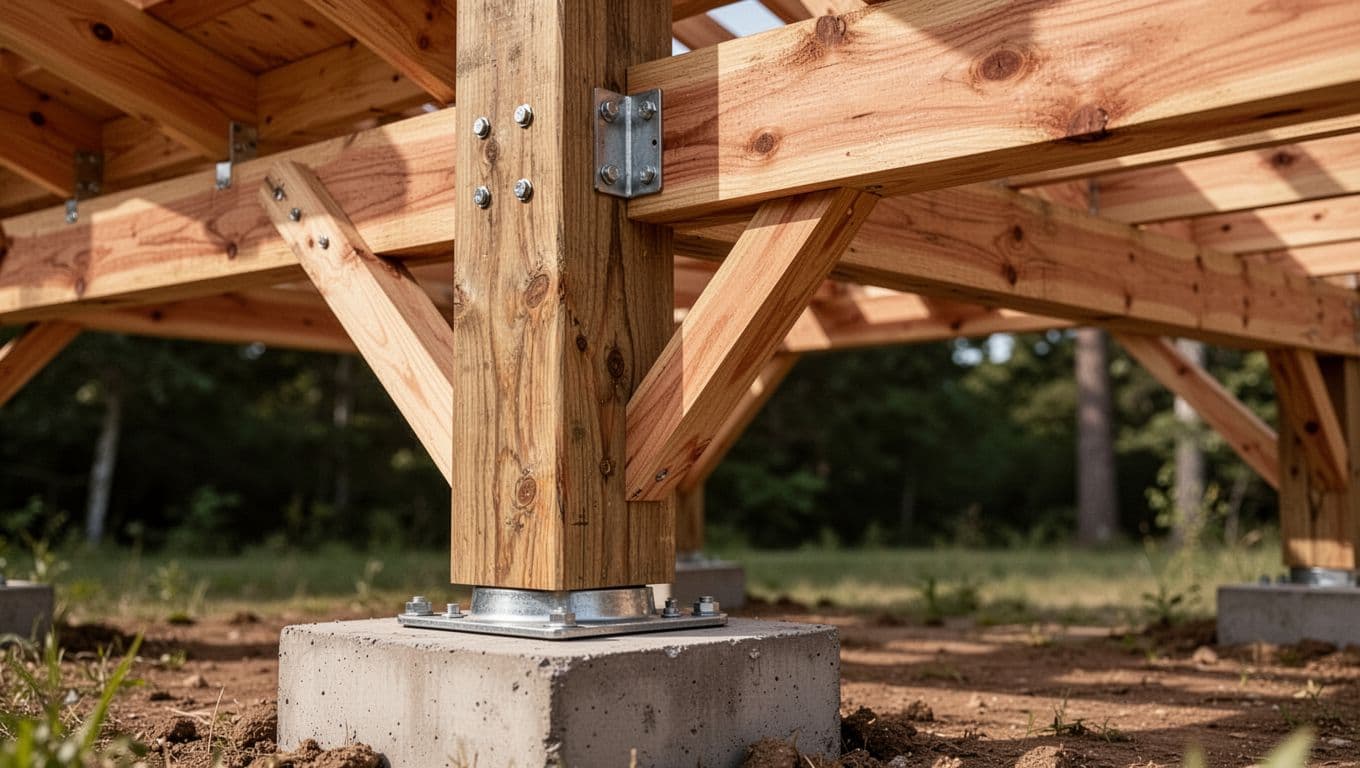
For example, many high-end cedar builds use 6×6 posts, substantial beams, and rafters set in a consistent pattern (often 16 inches on-center). You’ll also want proper metal hardware at post bases and clean flashing at the ledger connection to help manage water.
If your current structure is sagging, patched, or simply outdated, consider a full rebuild instead of spot repairs. You can see what that process looks like with cedar patio cover replacement.
Cost factors for a 16×20 cedar patio cover in North Texas
A 16×20 cover is 320 square feet, so small price swings per square foot add up fast. That’s why “ballpark” numbers need context, like roof type, height, stain finish, and site conditions.
For broad pricing ranges, review current market guides like covered patio cost ranges and a local perspective on Dallas-Fort Worth patio cover installation costs. Those sources can help you form smarter questions before you request an estimate.
What usually moves the number up or down
Material choice is only one piece. These factors often matter just as much:
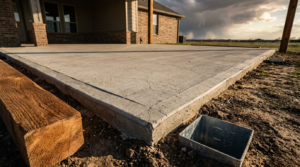
Cedar grade and finish plan matter because clear, consistent boards cost more, and stain work takes time. Roof complexity matters because hips, valleys, and taller gables add labor. Electrical rough-ins matter because fans, recessed lighting, and outlets require planning and code-compliant installation. Site and slab conditions matter because footings and anchors must match the load, not just the look.
Local details also play a role. In Denton, Argyle, Flower Mound, Highland Village, Corinth, and Lewisville, permitting rules and inspections can differ, even when the structure looks similar.
A simple way to budget without guessing
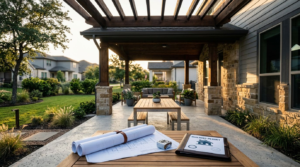
Start by choosing your “must-haves” (roof type, lighting, and whether you want it attached). Then set your “nice-to-haves” (tongue-and-groove ceiling, stains, and post wraps). Finally, get an on-site measurement so you’re not pricing a fantasy layout.
If you want a faster answer, call 469-340-0839 and ask for a site visit and a straight scope of work.
Quick Q&A (PAA-friendly) for a 16×20 cedar patio cover
How many posts do you need for a 16×20 patio cover?
It depends on the roof load, beam spans, and whether it’s attached. Many builds use a front row of posts with beams, while the house side is supported by a properly flashed ledger. Your builder should explain spacing based on structure, not guesswork.
Is a 16×20 cedar patio cover big enough for an outdoor kitchen?
It can be, especially for a grill run and prep counter. If you want a larger kitchen with seating and storage, you may prefer a deeper or longer layout, or a connected second zone.
How long does cedar last outside in Texas?
Cedar can last for decades when it’s built correctly and maintained. Expect to re-stain or re-seal on a schedule that matches sun exposure and the product used.
Do you need a permit for a cedar patio cover in Denton?
Often, yes, especially for attached structures. Permits help confirm safe attachment, footing depth, and basic code requirements.
Conclusion: pick the size that matches how you live outside
A 16×20 cedar patio cover hits a sweet spot because it’s roomy, practical, and easy to furnish. Focus on roof style, drainage, and connections, not just the square footage. When you plan those details up front, your cedar patio cover will feel like a natural extension of your home for years. For design help and pricing based on your exact yard, call 469-340-0839.