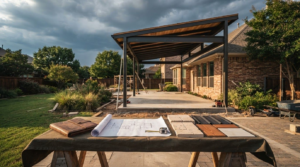
In North Texas, a patio cover has to do more than cast shade. It has to survive harsh sun, spring hail, and sudden wind without turning your backyard into a maintenance project.
When homeowners compare cedar vs aluminum patio covers, the tradeoff is usually clear. Cedar brings warmth and a custom look. Aluminum brings lower upkeep and better storm tolerance. The right pick depends on how you live outside, not which brochure sounds nicer.
How each material changes the look of your home
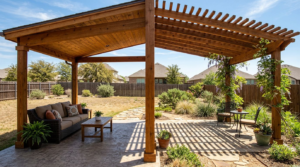
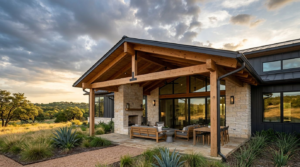
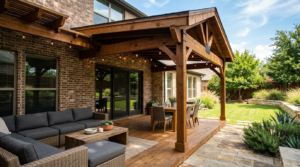
Cedar has a natural, built-in feel that aluminum can’t fully copy. It pairs well with brick, stone, and painted homes, and it looks more like part of the house than an add-on. For many North Texas homeowners, that’s the biggest selling point.
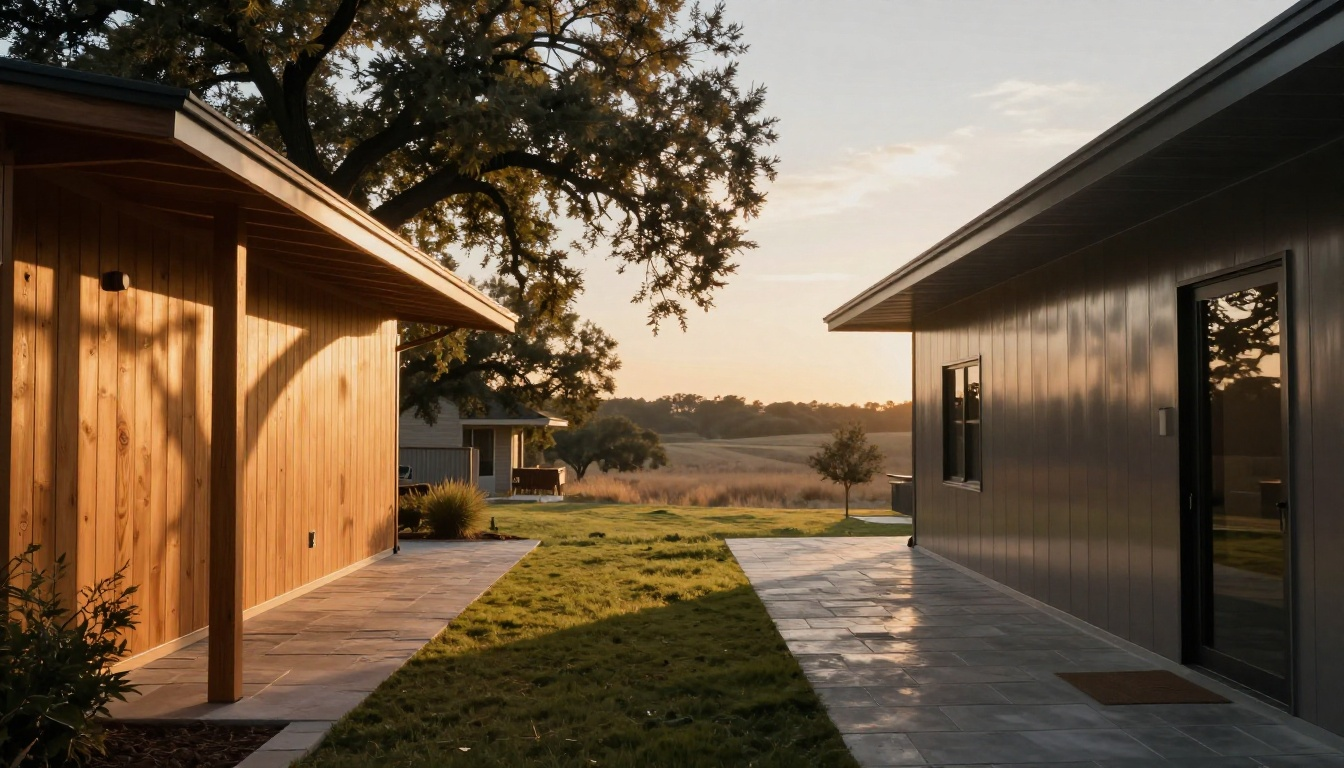
Aluminum takes a different path. It looks clean, crisp, and simple. That works well on modern homes, pool areas, and homeowners who prefer a sharp, uniform finish. Still, it can feel a bit like patio equipment rather than architecture, especially beside traditional homes.
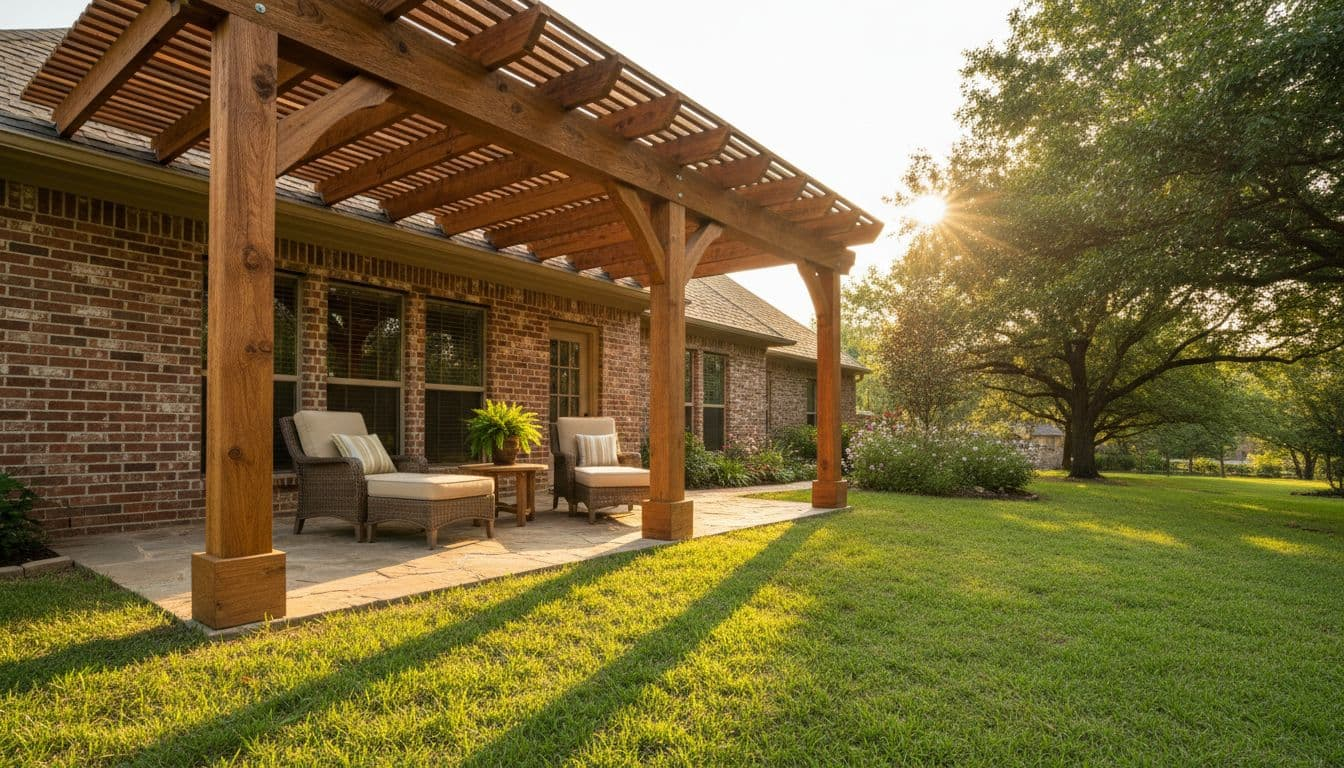
This quick comparison helps frame the choice:
| Factor | Cedar | Aluminum |
|---|---|---|
| Look | Warm, natural, custom | Clean, modern, consistent |
| Maintenance | Needs staining or sealing | Low upkeep |
| Heat under cover | Usually less harsh overhead feel | Standard panels can radiate heat |
| Hail impact | Can chip or crack finish | Usually dents instead of breaking |
| Best fit | Curb appeal first | Low-fuss ownership |
A broader Texas pergola material comparison lands in a similar place. Wood wins on character. Metal wins on convenience.
If appearance matters most, ask your contractor to hold cedar stain samples against your brick or trim before you choose. That small step can settle the debate fast.
Heat, hail, and wind are where the real decision shows up
North Texas weather doesn’t care what looked good on install day. Summer heat, hail, and gusty spring storms expose the weak spots.
Cedar handles sun reasonably well, but only if you protect it. Without stain or sealer, the surface can dry, fade, split, and weather unevenly. Aluminum doesn’t rot, and insects don’t care about it. That’s a big plus if you want something you can mostly rinse off and forget.
Storms shift the comparison even more. Recent 2026 Texas hail events reminded homeowners how fast outdoor structures can take damage. Cedar can chip, crack, or lose finish when hail hits hard. Aluminum usually holds together better, though thinner panels may dent. Wind resistance also depends on engineering. A poorly anchored cover, wood or metal, is still a problem.
The best patio cover for North Texas is the one that still works after a July heatwave and a spring hailstorm.
Heat performance needs a closer look. Standard aluminum blocks sun well, but it can also get hot and radiate warmth downward. Cedar often feels less harsh overhead because wood doesn’t behave like thin metal. However, if summer comfort is your top concern, compare standard vs insulated aluminum panels before you decide. Insulated aluminum is a separate category, and it changes the comfort conversation.
A recent maintenance comparison of aluminum and cedar pergolas also points to the same pattern: aluminum usually handles Texas weather with less fuss, while cedar asks more from the owner.
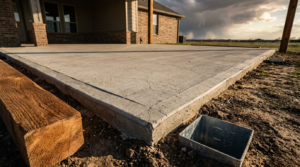
Before you sign a contract, ask the builder to explain wind loads, attachment points, and post anchoring in plain English. Pretty drawings don’t keep a roof in place.
Maintenance, cost, and long-term value
Cedar rewards people who like the look enough to care for it. When it’s built well and maintained on schedule, it can last for decades and age beautifully. Skip that care, and the same wood can start looking tired much sooner.
Aluminum is easier day to day. You wash it, inspect fasteners, and move on. That lower effort matters for busy homeowners or rental properties. If you want a realistic sense of the upkeep side, review this patio cover maintenance checklist before making your final choice.
Cost adds another twist. In Texas, basic cedar covers often start around $15 to $30 per square foot, while aluminum commonly lands around $20 to $45 per square foot. Custom details, electrical work, roof style, and storm upgrades can raise both. Cedar may start lower in some cases, but maintenance adds up. Aluminum may cost more upfront, yet save money over time.
Value isn’t only about repair bills, though. Cedar often gives more visual value because it feels richer and more custom. On a home where curb appeal matters, that can tip the scale. Aluminum often wins if your top goal is low ownership hassle.
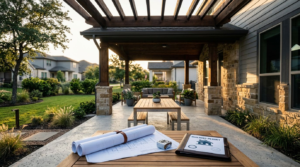
If you’re comparing bids, request a free estimate that breaks out material, finish, footings, and electrical costs line by line. That makes a cheap-looking quote much easier to judge.
The strongest answer is usually simple. Choose cedar if you want a patio cover that looks like part of your home and you’re willing to maintain it. Choose aluminum if you want dependable shade with less work and stronger hail resistance.
For many North Texas homes, the best value comes from matching the material to your priorities, not chasing the lowest number.
Request a free estimate, ask to see completed local projects, and choose the cover you’ll still like after the next August heatwave.