Aluminum Vs Insulated Patio Covers
When your patio feels like a skillet in July, shade alone isn’t always enough. The roof over your head can still get hot, then radiate that heat right back down where you’re sitting.
That’s why the choice between aluminum vs insulated patio covers matters. Both can look clean and modern, both can protect you from sun and rain, but they don’t handle heat the same way.
If your goal is a patio you’ll actually use in summer, here’s how to pick the right cover for your home, your budget, and your comfort.
What makes one patio cover feel cooler than another?
A patio cover “cools” your space in two main ways: it blocks direct sun, and it reduces how much roof heat transfers into the air below. Standard aluminum does the first job well. Insulated panels do both.
Think of it like standing under a beach umbrella versus standing under a roof with a thermal barrier. You’re shaded in both spots, but one feels calmer because less heat is pushing through from above.
Here’s the practical difference you’ll notice:
- Radiant heat from the roof underside: A hot roof can feel like it’s “glowing” above you, even in shade.
- Air temperature under the cover: Trapping less heat above you usually means the space below feels more comfortable.
- Ceiling height and airflow: Higher roofs and open sides help hot air move out. Fans help, but they can’t cancel roof heat.
- Color and finish: Lighter colors reflect more sun, so the surface often runs cooler than dark finishes.
If you want a deeper look at how insulated panels are built (and why they reduce heat transfer), see this breakdown of insulated vs non-insulated patio cover panels.
| Comfort factor | Standard aluminum panels | Insulated aluminum panels |
|---|---|---|
| Shade from direct sun | Strong | Strong |
| Heat felt under the roof | Moderate to high | Lower |
| Noise in heavy rain | Louder | Quieter |
| Best fit | Basic shade needs | All-day summer use |
Standard aluminum patio covers: great shade, but the roof can radiate heat
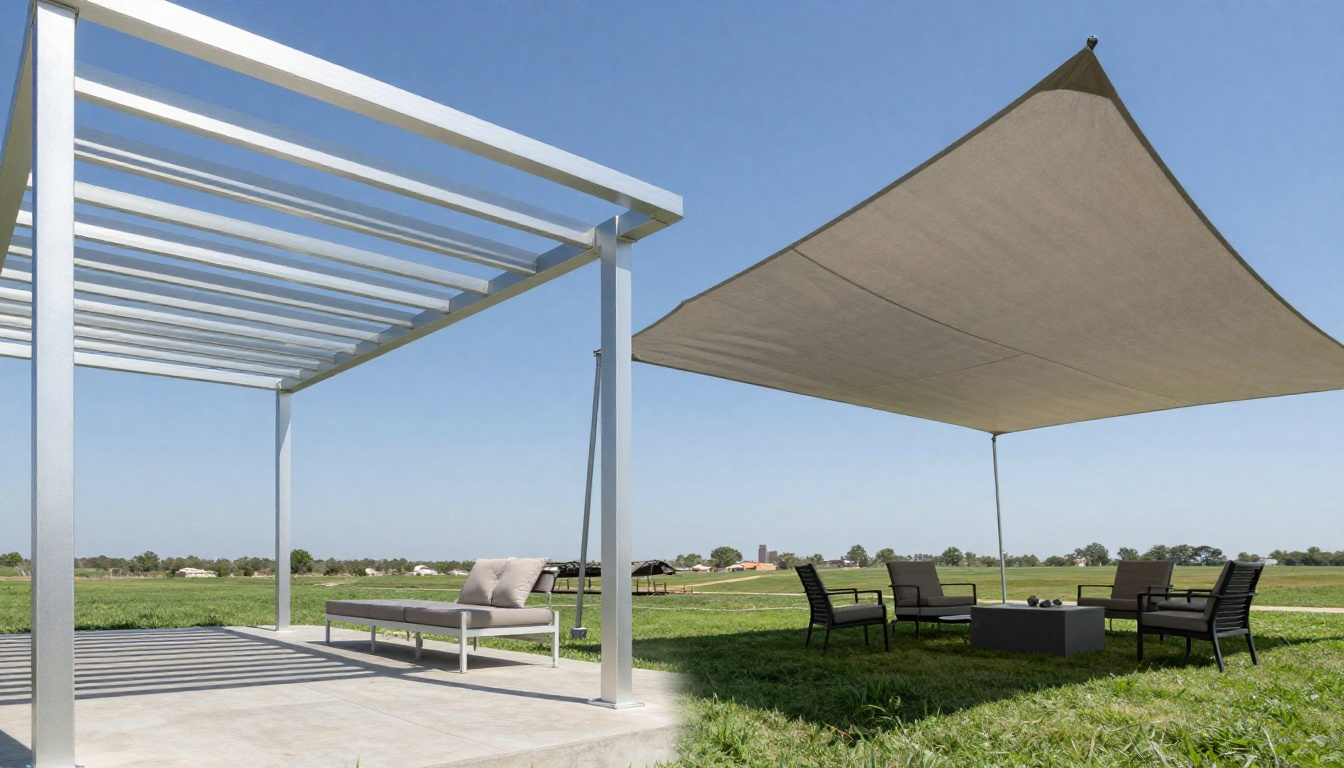
A non-insulated aluminum cover is often the quickest way to get reliable shade with low maintenance. You’ll like it if you want a clean look, you don’t want to stain or seal wood, and you mainly use the patio in mornings, evenings, or mild weather.
The tradeoff is simple: aluminum heats up fast in direct sun. Once it’s hot, it can radiate warmth downward. You’re still shaded, but on a 100°F day, the “shade” can feel warm and heavy.
This doesn’t mean aluminum is a bad choice. It means you should treat it like what it is: a strong shade roof, not a thermal barrier. This overview of whether aluminum patio covers get hot lines up with what many homeowners notice in real life.
If you’re set on standard aluminum, a few design choices can help your patio feel cooler:
Go lighter on color. White or light tan usually feels less intense than darker finishes.
Increase airflow. Taller roofs, open sides, and smart placement let heat escape.
Add a fan. It won’t cool the roof, but it can make the space usable.
Avoid boxing it in. Enclosing sides can trap heat unless you add ventilation.
Standard aluminum also makes sense when you’re planning a patio cover replacement and want predictable maintenance. It won’t rot, it won’t attract termites, and cleaning is usually just soap and water.
Insulated patio covers: the better pick for all-day summer comfort in North Texas
If you want to sit outside at 2 p.m. and not feel heat pressing down from above, insulated covers usually win. An insulated roof is typically two aluminum skins with a foam core in the middle. That core slows heat transfer, so the underside tends to feel less “hot overhead.”
In plain terms, insulated covers often feel closer to standing under a roofed porch than standing under a metal awning. You also get practical bonuses: they’re commonly quieter in rain, and the thicker roof can feel more solid when you mount lights or fans (as long as your design is engineered for it).
Insulated panels also pair well with broader outdoor living plans, especially if you’re building covered patios you want to use most of the year. For a Texas-focused view on materials that hold up to long, hot summers, this guide on best patio cover materials for Texas heat is helpful context.
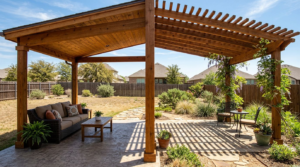
You still have options beyond metal. If you care most about warmth, character, and a natural look, cedar patio covers can be a great fit, and pergolas are a strong choice when you want partial shade and more airflow. The right answer depends on how you use the space, and whether you’re chasing maximum cooling or a specific style.
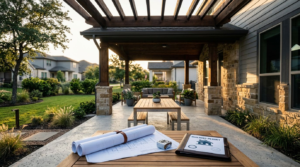
When you’re ready to make it real, the install matters as much as the material. A reliable patio cover contractor will plan for slope, drainage, attachment points, and wind load, not just how it looks. If you want help designing custom patio covers and handling professional patio cover installation, you can start with outdoor living solutions for Denton homeowners through JBN Patio Covers, or call 469-340-0839.
Local service matters, because codes and storm patterns aren’t the same everywhere. If you’re comparing options for patio covers Denton TX or patio covers Argyle TX, and you’re also searching patio covers North Texas. Argyle homeowners often end up weighing, you’ll see the same theme across the area: summer comfort is about heat control, not just shade. The same planning approach applies across Aubrey, Bartonville, Carrollton, Celina, Copper Canyon, Corinth, Cross Roads, Dallas, Denton, Double Oak, Flower Mound, Frisco, Grapevine, Hackberry, Hebron, Hickory Creek, Highland Village, Justin, Krugerville, Krum, Lake Dallas, Lakewood Village, Lewisville, Little Elm, Northlake, Oak Point, Paloma Creek, Pilot Point, Plano, Ponder, Prosper, Providence Village, Roanoke, Sanger, Savannah, Shady Shores, The Colony, Trophy Club, Westlake.
People also ask about aluminum and insulated patio covers
Do insulated patio covers really keep your patio cooler?
They usually do, because the foam core reduces heat transfer through the roof. You still need airflow, but the “radiant heat from above” is often noticeably lower than standard aluminum.
Is standard aluminum ever the better choice?
Yes. If you mainly need shade, want the lowest upkeep, and don’t plan to use the patio much in peak afternoon heat, standard aluminum can be a practical buy.
Which is quieter during heavy rain?
Insulated panels are commonly quieter because the roof is thicker and dampens vibration. If rain noise bothers you, insulation is a comfort upgrade you’ll notice.
Can you add fans and lights to both types?
Usually yes, but it depends on your cover’s structure and how it’s framed. Treat electrical planning as part of the design, not an afterthought.
Should you pick cedar instead of aluminum?
If you want a natural look and don’t mind periodic sealing, cedar can be a beautiful choice. If low maintenance and a consistent finish matter more, aluminum often fits better.
The bottom line for a cooler summer patio
If your main goal is the coolest, most usable space in summer, insulated typically beats standard aluminum because it reduces heat transfer, not just sunlight. If you want solid shade on a tighter budget, standard aluminum can still improve comfort, especially with light colors and good airflow.
Your best next step is to match the cover to how you actually live outside, then get the details right with a builder you trust. If you’re planning a new build or a patio cover replacement, JBN Patio Covers can help you compare materials and design a structure that supports real outdoor living, call 469-340-0839 when you’re ready.