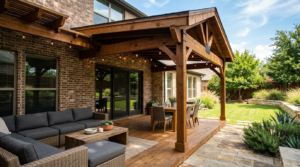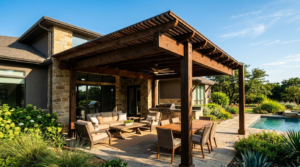
Your backyard may look inviting, but North Texas heat can make it uncomfortable by mid-morning. When you compare cedar patio covers vs pergolas, the right choice depends on how much shade, rain protection, and year-round comfort you expect.
A cedar patio cover gives you a solid roof and stronger weather protection. A pergola keeps the yard open and bright while adding partial shade and architectural detail. Your furniture, entertaining plans, home design, and budget should guide the decision.
Cedar Patio Covers vs Pergolas: Which Fits Your Yard?
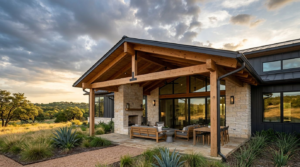
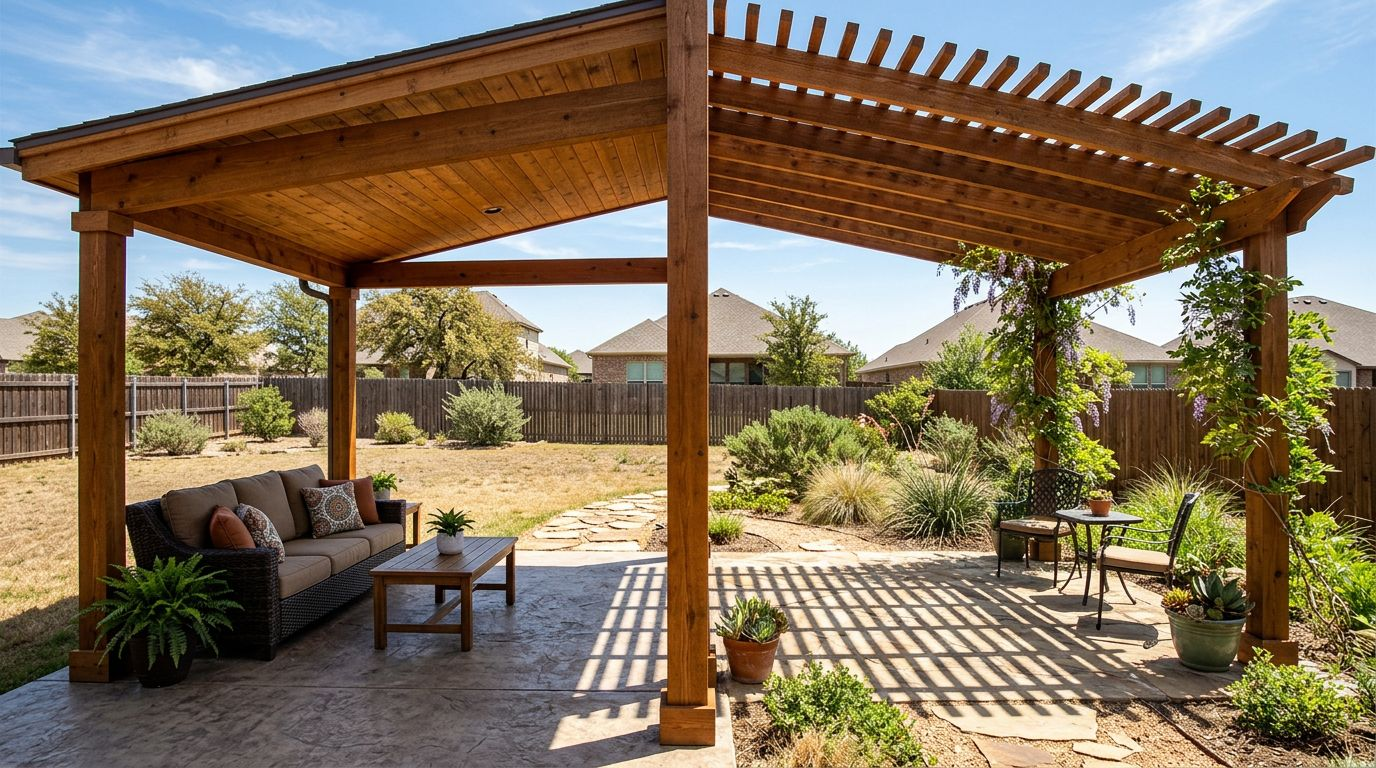
The biggest difference is the roof. A cedar patio cover has a solid roof system, while a pergola uses open rafters or slats. That single design choice affects shade, rain protection, airflow, lighting, and how often you can use the space.
| Feature | Cedar patio cover | Cedar pergola |
|---|---|---|
| Shade | Consistent shade throughout the day | Partial shade that changes with the sun |
| Rain protection | Strong protection when properly designed | Limited protection during rain |
| Airflow | Can include fans and open sides | Naturally open and breezy |
| Outdoor use | Better for dining, grilling, and lounging in most weather | Better for light shade and visual appeal |
| Add-ons | Works well with lighting, fans, kitchens, and fireplaces | Works well with lighting, vines, and decorative features |
| Best fit | Homeowners who want covered outdoor living | Homeowners who want an open backyard feel |
A solid cover also protects patio furniture, outdoor televisions, doors, and flooring from direct UV exposure. It can shade rear windows and reduce heat entering the home, which may help with cooling costs during hot months.
A pergola offers a lighter appearance. You still get a defined outdoor area, but sunlight and rain remain part of the experience. Read this pergola vs patio cover comparison before choosing between the two.
What Cedar Adds to Both Designs
Cedar has natural oils that help resist insects, moisture, and decay. The Texas heat material guide also identifies cedar as a popular choice for outdoor structures in this climate.
However, cedar still needs proper design, sealing, and maintenance. UV exposure can dry the surface, while fast weather changes can cause normal movement in the wood. Good construction matters as much as the material.
When Cedar Patio Covers Make More Sense
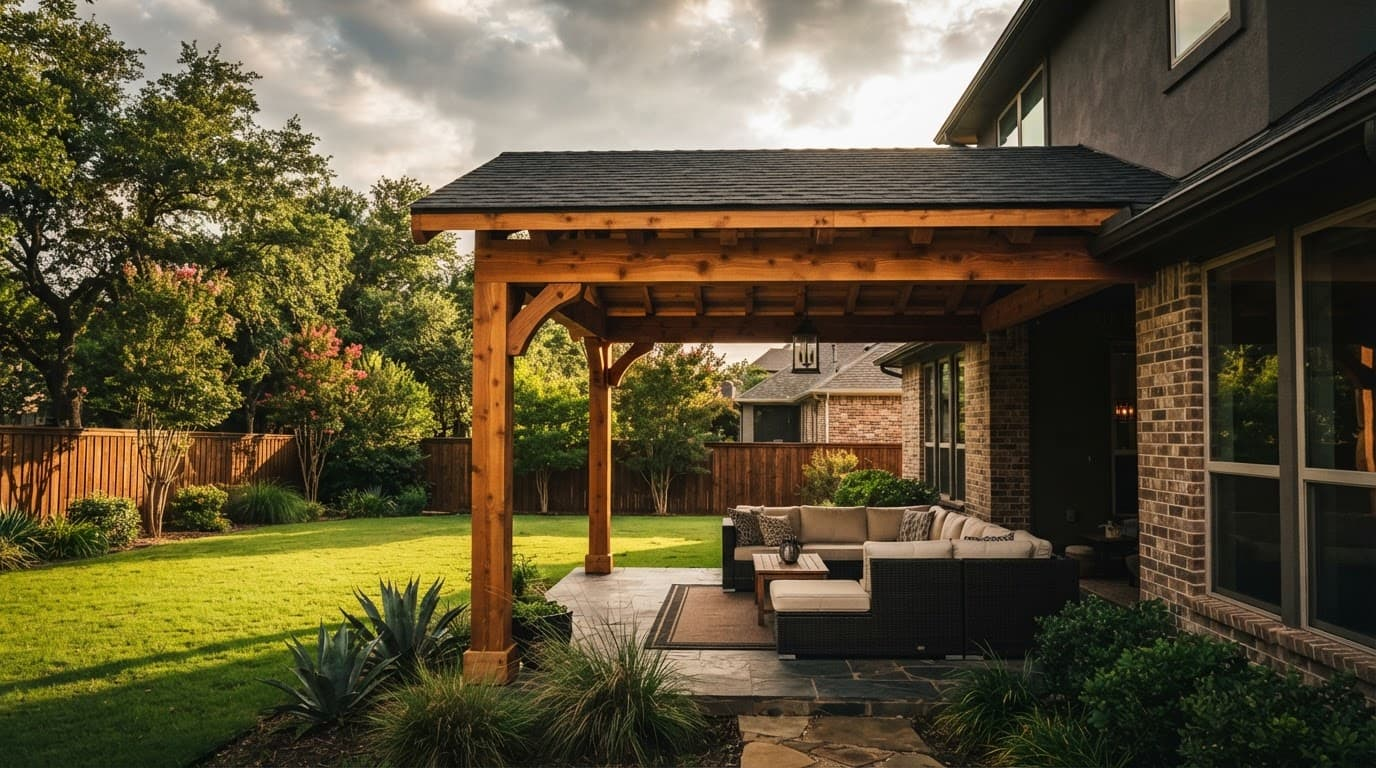
Choose cedar patio covers when you want dependable shade and a more usable backyard throughout the year. A solid roof gives you relief during 100-degree afternoons and keeps light rain from ending dinner outside.
You can also design the cover around your home’s roofline, windows, doors, and existing patio. Attached covers often feel like part of the house instead of an afterthought. Freestanding structures work well beside pools, gardens, outdoor kitchens, and larger yards.
A well-built wood patio cover can include ceiling fans, recessed lighting, electrical outlets, fireplaces, privacy screens, and outdoor kitchens. These details help you create outdoor entertainment areas that work for family meals, weekend gatherings, or quiet evenings.
JBN Patio Covers builds custom cedar patio covers with layouts suited to your home and property. The team focuses on strong framing, clean joinery, and cedar construction that fits North Texas conditions.
Solid roofs also offer better protection for upholstered furniture and electronics. If you plan to install a television, speakers, or a permanent dining setup, a covered patio usually gives you more flexibility.
When a Cedar Pergola Is the Better Choice
A pergola is a good fit when you want shade without closing in the backyard. Open rafters allow more sunlight and airflow, so the space feels less enclosed than a covered patio.
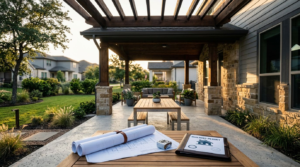
Custom pergolas can frame a seating area, walkway, pool deck, or garden. You can add climbing plants, decorative beams, string lighting, or a dining table beneath the structure. The result is attractive, but it won’t provide the same rain protection as a solid roof.
Cedar pergolas work especially well in smaller yards or beside homes with strong architectural details. They add height and definition without blocking views. If you enjoy bright outdoor spaces and mainly need relief from direct sun, a pergola may fit your goals better.
A pergola can still handle North Texas weather when the posts, beams, footings, and connections receive professional attention. Ask how the structure will be anchored for strong wind and how the finish will be maintained after installation. Professional cedar pergola guidance can help you understand why sealing matters.
Build for North Texas Heat, Hail, Wind, and UV Exposure
North Texas weather changes quickly. A calm spring morning can turn into a windy afternoon, while summer heat places constant stress on wood, finishes, patio surfaces, and outdoor furniture.
Heat and UV rays can fade stain and dry cedar over time. A quality finish slows that process, but no outdoor wood stays maintenance-free. Plan to inspect the structure, clean it, and refresh the finish as needed.
Hail creates another concern. It can damage exposed roofing, screens, furniture, and decorative features. A covered patio protects the space below, but the roof and structure still need sound materials and proper installation.
Wind places pressure on posts, beams, ledger connections, and footings. A professional patio roof installation should account for the home’s structure, attachment points, drainage, and local building requirements. Do not judge a contractor only by the appearance of the finished wood. The connections above and below the visible surface matter just as much.
Changing weather also affects drainage. Water should move away from the house and patio instead of collecting near posts or foundations. Your contractor should explain how the roof sheds water and how the structure connects to the home.
A pergola gives you open airflow, but a solid patio cover gives you more dependable comfort when heat, rain, and glare arrive together.
Design, Cost, and Professional Installation
Your project price depends on size, roof design, attachment method, footings, stain, electrical work, drainage, and features such as fans or fireplaces. A larger cover with integrated outdoor living features will cost more than a small freestanding structure.
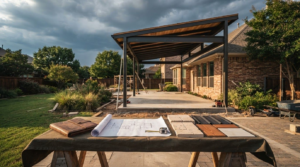
Ask for a written scope before work begins. It should explain the cedar species, dimensions, finish, roof materials, drainage plan, permits, cleanup, and warranty terms. Written details help you compare estimates fairly and avoid surprises.
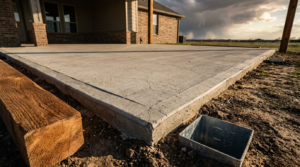
A reliable patio cover builder will also inspect the existing patio and house before recommending an attached design. Your home’s roofline, wall construction, utilities, property lines, and drainage all affect the installation.
JBN Patio Covers is a Denton-based patio cover contractor serving homeowners throughout North Texas. The company builds covered patios, pergolas, outdoor kitchens, fireplaces, fire pits, and other outdoor living spaces with direct communication and honest pricing.
Homeowners searching for Denton patio covers, Argyle patio covers, or Flower Mound patio covers often need different layouts because lots and home styles vary. The same applies to Corinth patio covers and Highland Village patio covers. JBN also serves Lewisville, Northlake, Lantana, Double Oak, Copper Canyon, Bartonville, Frisco, Little Elm, Southlake, Keller, and nearby communities.
You can review more local options through these North Texas custom cedar patio covers before scheduling a consultation.
Conclusion
The cedar patio covers vs pergolas decision comes down to how you want to use your yard. Choose a solid cedar cover when shade, rain protection, furniture protection, and year-round comfort matter most. Choose a pergola when you prefer open light, airflow, and a lighter visual structure.
Both options can improve curb appeal and make your outdoor living spaces more useful. Neither replaces good design and professional installation. To discuss your property, call Call Us Today at 469-340-0839 or Get Your Free Consultation with JBN Patio Covers.
Frequently Asked Questions
Are cedar patio covers better than pergolas in North Texas?
They are better when you need full shade and rain protection. A pergola is a better fit when you want partial shade and an open-air design.
Do cedar pergolas provide enough shade?
They provide partial shade, depending on the rafter spacing and sun angle. For stronger afternoon shade, you may need tighter rafters, added screening, or a solid roof section.
Can you use a cedar patio cover during summer?
Yes. A solid cedar patio cover can make the area more comfortable during hot weather. Ceiling fans and open sides can improve airflow under the roof.
Will a pergola protect my furniture from rain?
Only to a limited degree. Open rafters allow rain and direct sunlight through, so weather-sensitive furniture needs covers or a more protected location.
How long do cedar patio covers last?
A cedar structure can last for many years when it has proper footings, sound connections, drainage, and regular finish maintenance. Weather exposure and upkeep affect its service life.
Does cedar resist insects and rot?
Cedar has natural resistance to insects, moisture, and decay. Sealing and proper drainage still matter because North Texas heat, UV exposure, and rain can affect untreated wood.
Can you attach a cedar patio cover to your home?
Yes, many designs attach to the home’s exterior. A contractor must inspect the wall and roofline, confirm attachment points, and follow local building requirements.
Does a cedar patio cover add home value?
It can improve curb appeal, outdoor comfort, and buyer appeal. However, no patio structure guarantees a specific increase in property value.
Can you add an outdoor kitchen under a cedar cover?
Yes. A covered structure can support an outdoor kitchen, grill, lighting, fans, and seating when the layout includes proper clearances, utilities, and ventilation.
Are cedar patio covers hard to maintain?
Maintenance usually includes cleaning, checking connections, watching for water problems, and refreshing the finish when needed. A maintenance plan helps protect the wood from UV exposure.
Do pergolas handle North Texas wind?
They can when the posts, beams, footings, and connections receive proper design attention. Your contractor should explain the anchoring plan before construction begins.
Do cedar patio covers need permits?
Patio cover permits depend on your city, structure size, attachment, and property conditions. Your contractor should identify required approvals before patio roof installation starts.
Are warranties available for cedar structures?
Many contractors offer workmanship or finish warranties, but terms vary. Ask what the warranty covers, how long it lasts, and what maintenance it requires.
How do you choose between cedar patio covers and pergolas?
Start with your main need. If you want dependable shade and weather protection, choose a solid cover. If you want an open feel with partial shade, choose a pergola.
How do you get started with JBN Patio Covers?
Share your property details, goals, and preferred structure during a consultation. Request Your Free Estimate or Contact JBN Patio Covers to discuss a cedar patio cover, pergola, or complete covered outdoor living project.