Planning a covered patio in Denton County? A patio cover permit is usually required, but the exact process depends on whether your home sits inside a city or in an unincorporated area.
Denton, Flower Mound, and other nearby municipalities set their own rules. Before you order materials or schedule patio roof installation, confirm the requirements for your address. The wrong assumption can lead to stop-work orders, added costs, or problems when you sell your home.
When a patio cover permit is required in Denton County
Inside Denton city limits
The City of Denton requires permits for new patio covers and shade structures. The rules allow attached or detached, one-story structures for outdoor living purposes.
A Denton patio cover cannot function as a carport, garage, storage room, or habitable room. The city requires plans that show the structure’s location, dimensions, setbacks, foundation, roof framing, and attachment details. You can review Denton’s patio cover requirements before submitting an application.
Unincorporated areas and nearby cities
If your property sits outside city limits, Denton County requires a Development Permit for property improvements. Start with the county’s development permit application page, then ask whether additional building approvals apply to your project.
Argyle requires permits before new construction, additions, or alterations. Its official permits office can confirm the current process. Flower Mound also requires a permit for patio covers and lists a patio cover or arbor permit fee of $200 in its current guidance.
For Corinth, Highland Village, Lewisville, Northlake, Lantana, Double Oak, Copper Canyon, Bartonville, Lake Dallas, and Little Elm, verify the rules with the local building department. Highland Village provides contact information through its Building Inspections and Permits page.
Your HOA approval is separate from a city or county permit. Even if your HOA approves the design, you may still need government permits.
What you need before construction starts
Denton typically asks for the following items:
- A residential permit application and site plan
- Property lines, existing structures, and proposed setbacks
- Elevation drawings with height and width
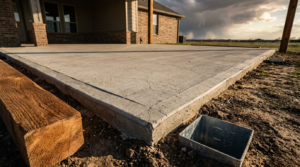
- Foundation and footing details
- Roof framing and attachment plans
- Electrical plans when you add lights, outlets, or fans
The city accepts submissions through eTRAKiT or in person at the Development Services Center. Required inspections can include the foundation or pier inspection, electrical rough inspection when applicable, and building final inspection.
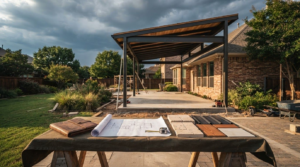
A qualified patio cover builder should prepare drawings that match the actual structure. Your plans should account for roof drainage, post locations, wind bracing, flashing, and the connection to your house. You can also review this Denton cedar patio cover guide before meeting with a contractor.
Build for North Texas heat and changing weather
North Texas patio covers must handle intense sun, high temperatures, hail, strong wind, and sudden weather changes. A permit review checks basic code requirements, but good performance also depends on sound design and professional installation.
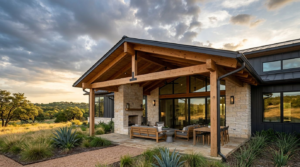
A solid cedar cover provides dependable shade over a seating or dining area. It can reduce direct heat through nearby patio doors and windows, which may help lower cooling demand. No outdoor structure is hail-proof, but proper roofing, anchoring, flashing, and drainage reduce common storm problems.
Photo by Ryan Stephens
Cedar also makes sense for wood patio covers because it resists decay and insects when maintained properly. You should still plan for sealing, staining, and inspections after severe weather. UV exposure can fade the finish, while wind and hail can damage roofing or loosen hardware.
JBN Patio Covers designs custom patio covers in North Texas using cedar for covered patios, backyard shade structures, and outdoor living spaces.
Choose the right type of cover
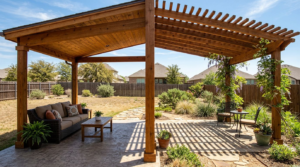
Pergolas provide filtered shade and an open-air feel. Solid covers provide better protection from rain, direct UV exposure, and summer heat. Custom pergolas and cedar pergolas can also support lighting, fans, and seating areas, but you should confirm permit requirements before construction.
If you are deciding between styles, use this pergola versus patio cover guide. The right choice depends on how much shade, rain protection, and privacy you want.
What your patio cover contractor should handle
Your patio cover contractor should verify setbacks, inspect the attachment area, prepare accurate plans, and explain the permit path before work begins. You should also receive a written scope, material details, payment schedule, and warranty information.
Ask whether the warranty covers workmanship, cedar construction, roofing, and electrical components separately. Quality cedar, proper flashing, strong footings, and careful finish work cost more than temporary solutions, but they support long-term durability and curb appeal.
This approach works for Denton patio covers near Lantana, Argyle patio covers in growing neighborhoods, Flower Mound patio covers near Wellington, Corinth patio covers, and Highland Village patio covers. JBN also serves homeowners in Lewisville, Northlake, Bartonville, Frisco, and surrounding communities. Learn more about About JBN Patio Covers.
Conclusion
A patio cover permit is part of the planning process for most new covered patios in Denton County. Denton city limits require permits, unincorporated areas require county development approval, and nearby cities set their own rules.
Once the permit path is clear, focus on cedar quality, wind resistance, shade coverage, drainage, and the way you plan to use your outdoor entertainment areas. For covered outdoor living that fits your home, Get Your Free Consultation or Call Us Today. You can also Request Your Free Estimate before construction begins.
Patio Cover Permit FAQ for Denton County
Do all patio covers in Denton County need a permit?
There is no single citywide rule for every address. Denton requires permits, unincorporated areas require a county Development Permit, and other cities should confirm their requirements.
Does a detached patio cover need a permit in Denton?
Yes. Denton requires permits for new attached and detached patio covers.
Does a pergola need a permit?
Treat a pergola as a possible shade structure and verify with your local building department. Denton requires permits for new patio covers and shade structures.
Can my HOA approval replace a permit?
No. HOA approval and government permitting are separate requirements.
What plans does Denton require?
Expect a site plan, elevations, foundation details, framing plans, roof information, attachment details, and electrical plans when applicable.
Can a patio cover be attached to my house?
Yes. Denton allows attached patio covers, but the plans must show how the structure connects to the home.
How many inspections might be required?
Denton may require foundation, electrical rough, and building final inspections. The exact list depends on your project.
Does a permit protect my home from storm damage?
A permit supports code compliance, but it doesn’t guarantee storm performance. Design, anchoring, roofing, flashing, and maintenance still matter.
Can a patio cover improve property value?
A well-built cover can improve curb appeal, outdoor comfort, and buyer appeal. However, no contractor can guarantee a specific increase in value.
How do you start a permitted patio cover project?
Call JBN Patio Covers at Call Us Today to discuss your address, design, shade needs, and permit requirements before construction.