A roof can make a patio comfortable or leave it exposed to heat and driving rain. Choosing the right patio cover roof pitch helps control drainage, shade, headroom, and how well the structure fits your home.
North Texas weather adds extra pressure. Summer heat, strong UV exposure, hail, high winds, and sudden temperature changes all affect the roof design. The right pitch depends on your home, roofing material, patio size, and local building requirements.
What the Patio Cover Roof Pitch Tells You
Roof pitch describes how much a roof rises over 12 inches of horizontal distance. For example, a 4:12 pitch rises 4 inches for every 12 inches of run.
A low-slope roof can work well when you want a clean profile that stays close to the existing roofline. A steeper roof sheds rain faster and often creates a taller, more open feeling below. However, a steeper design also changes beam heights, flashing details, material quantities, and wind exposure.
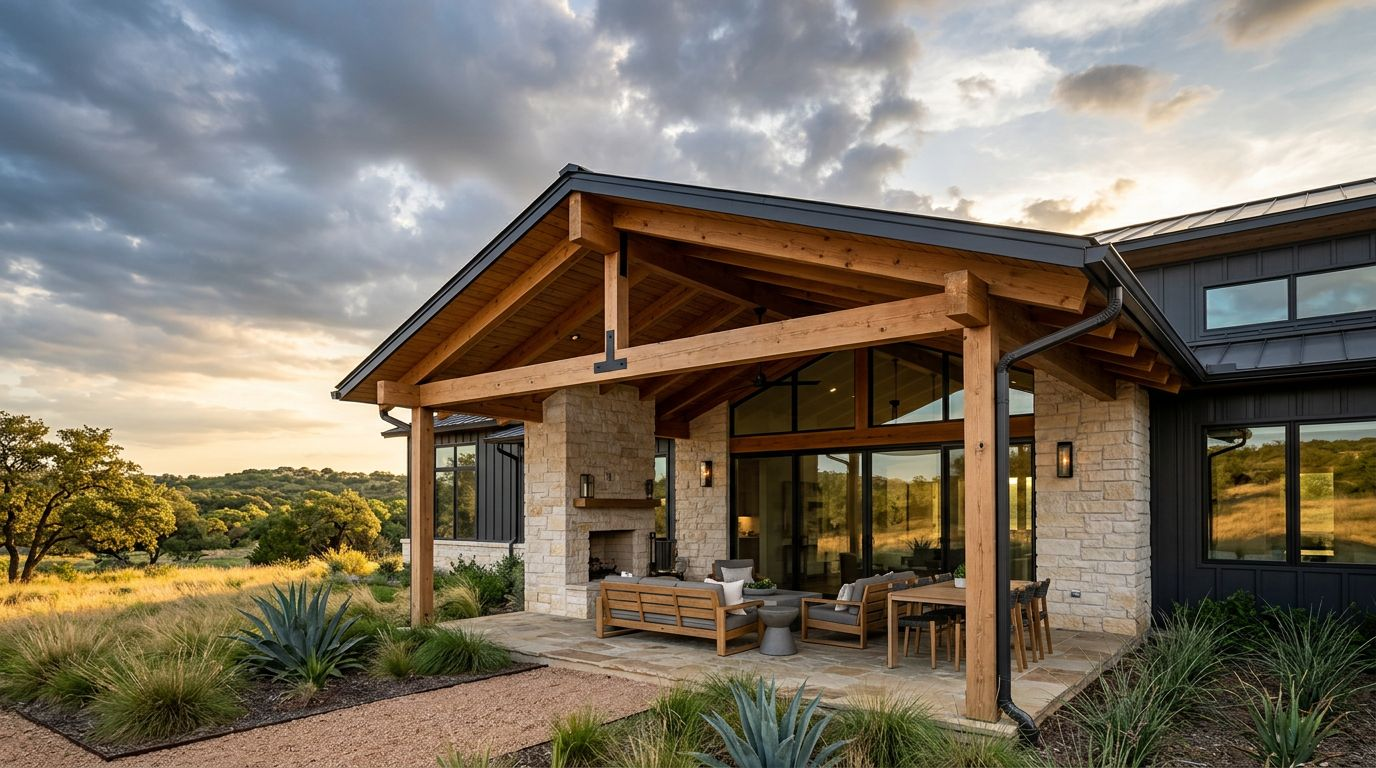
Your patio cover should look connected to the house rather than added as an afterthought. An attached cover may need to follow the home’s existing roof shape. A freestanding structure gives you more freedom, especially when you’re building a poolside retreat, outdoor kitchen, or separate seating area.
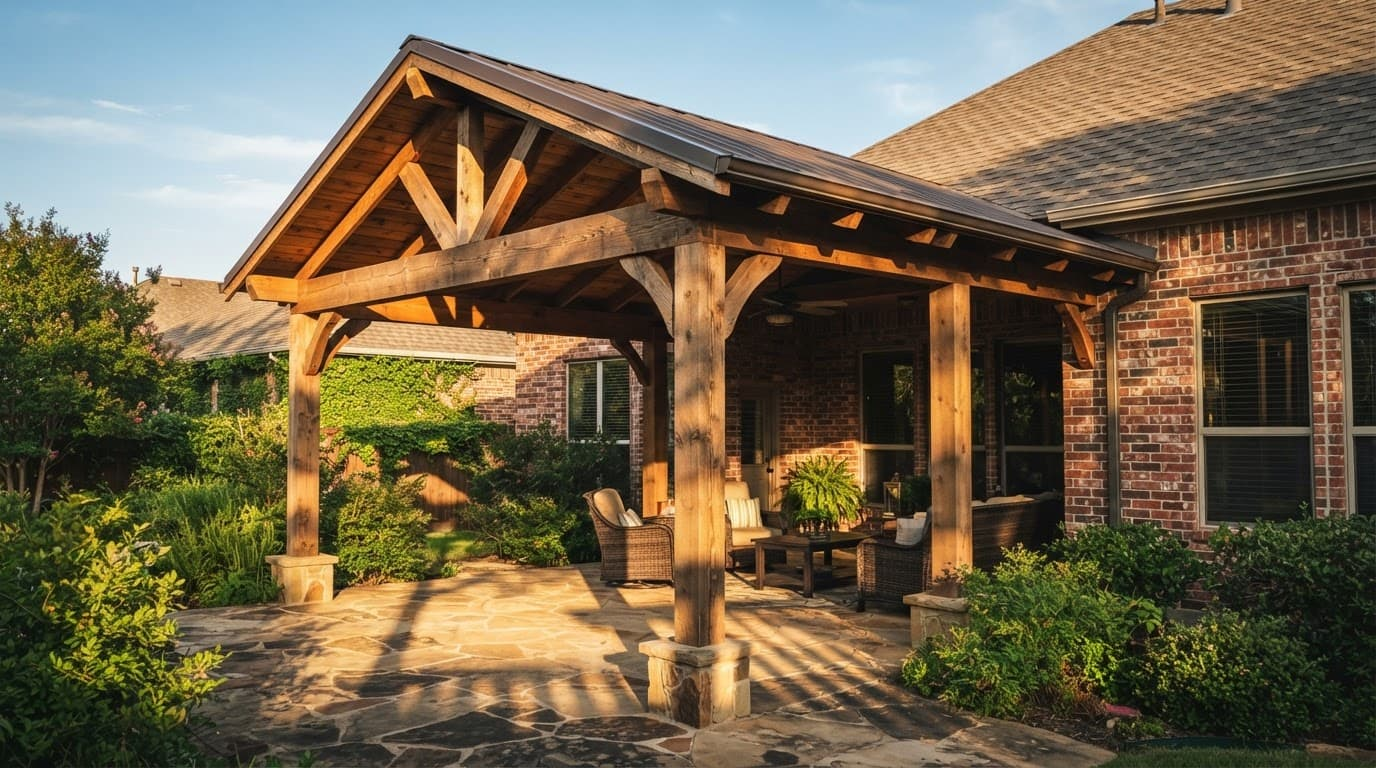
The pitch also affects water management. Rain should move away from the house, doors, windows, and foundation. Proper overhangs, gutters, flashing, and post placement matter just as much as the slope itself.
A steeper roof isn’t automatically stronger. The framing, connections, footings, and load path must work together.
North Texas building departments typically review patio covers for dead loads, vertical live loads, and wind resistance. IRC patio-cover provisions use a 10 psf minimum vertical live load baseline, while local rules and site conditions can require more. Your plans should match the requirements for your city.
How North Texas Weather Changes the Design
The DFW area has hot summers, dry winter periods, and wide temperature swings. The National Weather Service North Texas climate information describes a region where weather can change quickly, which matters when you plan a permanent outdoor structure.
Heat and UV exposure can dry, fade, and age exterior wood finishes. Cedar performs well outdoors because it has natural resistance to decay and insects, but it still needs proper sealing and routine maintenance. A roof pitch that creates deeper shade can also reduce the amount of direct sun reaching your patio and exterior doors.
Heavy rain is another concern. Low slopes can hold water longer if the roofing system lacks the correct underlayment or drainage details. A good builder matches the pitch to the selected roof covering instead of choosing a number first.
Hail can damage roofing materials, gutters, and exposed trim. Pitch won’t make a roof hail-proof, but strong framing and secure connections help the cover handle storm loads. Wind can lift wide roof planes, especially when the structure sits in an open yard near Lake Dallas, Little Elm, or Northlake.
Changing weather also affects how you use the patio. A roof that blocks afternoon sun may feel comfortable in July but need good airflow during humid evenings. Open sides, properly placed posts, ceiling height, and the direction of the roof all influence comfort.
Patio Cover Roof Pitch: Compare Practical Options
There is no single pitch that fits every North Texas home. These common approaches help you understand the tradeoffs before meeting with a builder.
| Roof approach | Works well for | Main design consideration |
|---|---|---|
| Low slope | Modern homes and tight roofline connections | Requires careful drainage and flashing |
| Moderate slope | Most attached patio covers | Balances water shedding, appearance, and headroom |
| Steeper slope | Traditional homes and tall outdoor rooms | Adds height, framing, and material requirements |
| Open pergola roof | Airflow and filtered shade | Provides less rain protection than a solid roof |
A moderate slope often gives homeowners the best balance. It provides useful drainage without making the cover look too tall beside a one-story home. Still, your home’s roofline may call for a different approach.
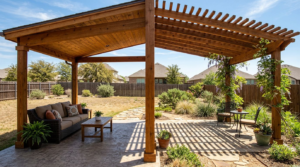
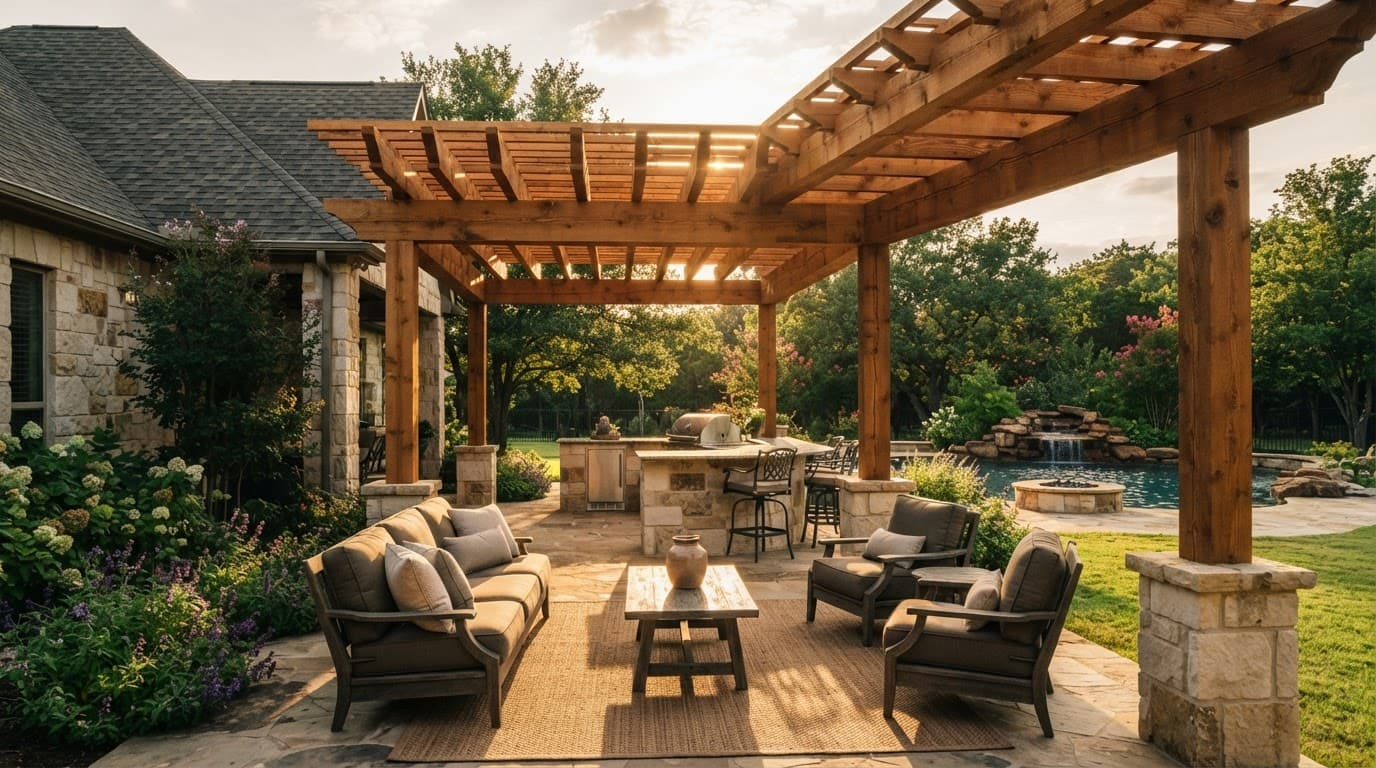
Pergolas are a separate option. Their open rafters provide filtered shade and airflow, which works well for seating areas and gardens. Cedar pergolas can also support shade fabric, lighting, fans, or climbing plants, but they won’t provide the same rain protection as a solid roof.
Match the Pitch to Your Home and Backyard Use
Your roof pitch should support the way you plan to use the patio. If you want an outdoor dining room with an outdoor kitchen, grill, or fireplace, a solid roof usually provides better protection. It also gives you more options for fans, recessed lighting, and electrical work.
For a seating area beside a pool, a lower profile may preserve sightlines and keep the structure from dominating the yard. A freestanding cover can use a different pitch than the house if the proportions still look balanced.
The roof should also direct water away from walkways and furniture. A gutter system may be useful when the patio sits near a back door or property line. Your contractor should review drainage before construction begins.
JBN Patio Covers builds custom patio covers around the house and the intended use. That approach gives you more control over roof height, post locations, shade coverage, and architectural details than a prefabricated design.
Plan Patio Roof Installation With a Local Builder
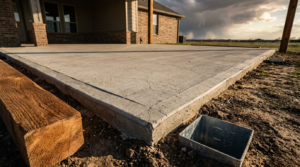
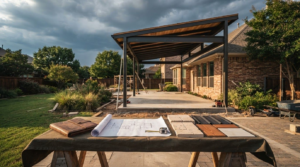
A qualified patio cover builder will inspect the existing home before recommending a pitch. The inspection should cover the roof connection, siding, brick, fascia, slab, drainage, and any nearby utilities.
Attached covers need sound ledger or rafter connections. Freestanding covers need properly sized posts, beams, and footings. The builder should also account for wind uplift, roof weight, hail exposure, and the size of the open sides.
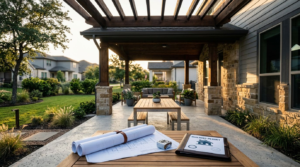
Ask who handles permits and whether the design includes stamped plans when your city requires them. You should also ask about wood treatment, fasteners, flashing, finish options, and warranty coverage. Clear answers are part of honest pricing.
JBN Patio Covers is a Denton-based company that has built cedar and wood outdoor structures since 1996. The team focuses on custom cedar patio covers, pergolas, covered patios, and outdoor living structures instead of treating every backyard like the same project.
Homeowners searching for Denton patio covers, Argyle patio covers, or Flower Mound patio covers often need different roof connections and proportions. The same applies to Corinth patio covers and Highland Village patio covers. Local experience helps you account for neighborhood setbacks, home styles, and city permitting.
How Pitch Affects Cost, Comfort, and Home Value
A steeper pitch usually requires more roofing, framing, trim, and labor. A complex connection to the existing roof can also raise the price. For a DFW example, this patio cover cost breakdown explains why roof pitch and existing patio conditions affect pricing.
A well-planned roof can improve shade and outdoor comfort, which may help you use the patio more often. Shade over doors and windows can reduce direct solar heat, although it won’t replace proper insulation or efficient windows.
Cedar adds natural color, visible grain, and design flexibility. Wood patio covers can match brick, stone, stucco, and painted siding while adding curb appeal. Quality construction and maintenance also support long-term durability and may contribute to how buyers view the home.
The right contractor should show you what changes when the pitch changes. You deserve a clear scope, honest pricing, realistic timelines, and warranty details before approving the work. If you’re ready to discuss your yard, Get Your Free Consultation or Call Us Today: 469-340-0839.
Conclusion
The best patio cover roof pitch balances drainage, shade, headroom, wind resistance, and the style of your home. North Texas heat, hail, UV exposure, and changing weather make professional design and secure installation especially important.
Choose a pitch based on your property and plans for covered outdoor living, not on a one-size-fits-all number. For cedar construction backed by local experience, Request Your Free Estimate from JBN Patio Covers.
Patio Cover Roof Pitch FAQ
What is the best patio cover roof pitch for North Texas?
A moderate pitch often works well, but the correct slope depends on the roof material, home connection, drainage plan, framing, and local code requirements.
Does a steeper pitch provide more shade?
A steeper roof can create more roof height and a deeper covered area, but shade also depends on orientation, overhangs, roof width, and the sun’s position.
Can my patio cover match my existing house roof?
Yes. An attached cover can follow the home’s roofline, trim, and materials. A professional patio cover contractor should check the connection before finalizing the pitch.
Do patio covers need permits in North Texas?
Many attached and freestanding patio covers require permits. Requirements vary by city, so your builder should confirm rules with the local building department before work begins.
Will roof pitch protect my patio from hail?
Pitch helps rain drain away, but it doesn’t prevent hail damage. Strong framing, secure roofing, proper flashing, and suitable materials are all part of storm-conscious construction.
What roof pitch works best for outdoor kitchens?
A solid roof with enough height for ventilation, lighting, and comfortable airflow usually works best. Your plans should account for grills, fireplaces, electrical work, and smoke movement.
Are cedar patio covers durable in Texas?
Cedar is well suited to outdoor construction because it naturally resists decay and insects. It still needs a quality finish, proper drainage, and periodic maintenance.
What is the difference between a pergola and a patio cover?
A pergola has open rafters and provides filtered shade. A solid patio cover provides stronger rain protection and more consistent shade for covered patios.
Can roof pitch affect energy savings?
Shade over windows and doors can reduce direct solar heat entering the home. The effect depends on the cover’s location, orientation, roof width, and the home’s existing energy efficiency.
How long does patio roof installation take?
Project time depends on size, design, permits, foundation work, roofing, and site access. Your builder should provide a written schedule after reviewing the property.
Can a roof pitch improve curb appeal?
Yes. A well-proportioned cover can match the home’s roofline and materials, while cedar trim and posts add warmth. Poor proportions can make a structure look disconnected.
Should I choose a solid cover or pergola?
Choose a solid cover when you want rain protection and dependable shade. Choose a pergola when airflow, filtered sunlight, and an open design matter more.
How do I start planning my project?
Contact JBN Patio Covers to review your home, patio, preferred roof style, and intended use. Contact JBN Patio Covers or Call Us Today: 469-340-0839.