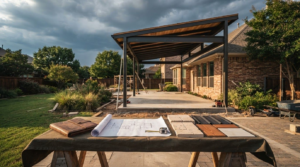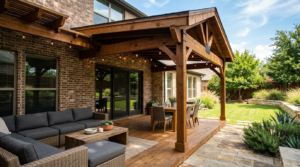
North Texas clay doesn’t sit still. It swells after rain, shrinks in drought, and keeps pressing against anything set in it.
That movement is why patio cover footings matter so much. A beautiful cedar cover can still lean, rack, or crack if the concrete below it is too shallow, too small, or placed in weak soil. If you want a patio cover that stays straight for years, start below grade.
North Texas clay moves more than most homeowners expect
Expansive clay acts almost like a sponge. When it takes on water, it grows. When the soil dries, it pulls back and leaves gaps. That cycle repeats through spring storms, summer heat, and winter dry spells.
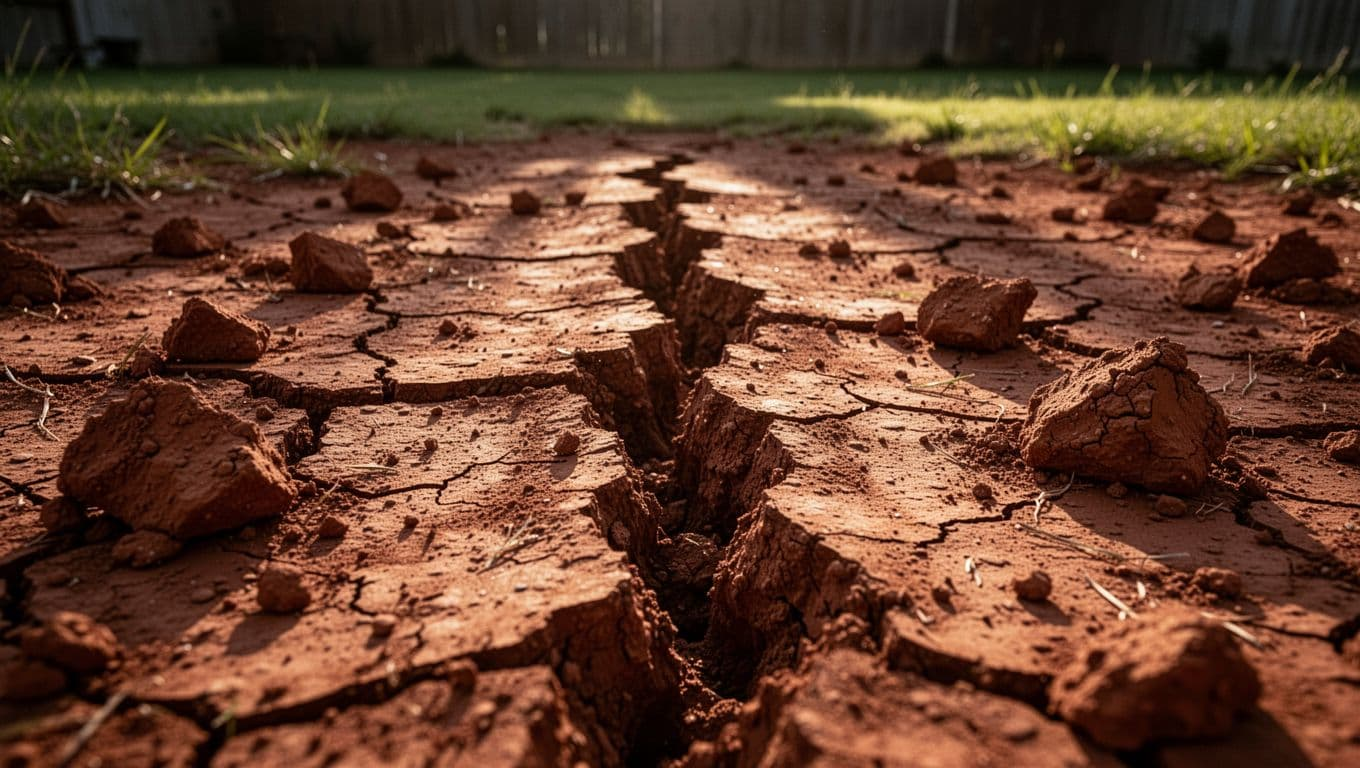
A patio slab may hide some of that movement. Footings don’t get that luxury. Each post concentrates weight in one spot, so the ground around it takes more stress. If the footing isn’t deep enough or wide enough, the soil can lift one side, let the other side sink, or slowly tilt the whole post.
Patio covers get hit from two directions. The roof presses down all year, while seasonal moisture pushes from below. That push and pull is why clay soil punishes shortcuts faster than more stable ground.
This is why footing problems often show up as small issues first. A slight lean, a hairline crack near a post, or a beam that looks a little off. However, once one post moves, the frame above it starts fighting that shift every day.
North Texas homeowners see this with fences, driveways, and house slabs, and patio covers are no different. Tall posts and roof area make them more exposed to both soil movement and wind load.
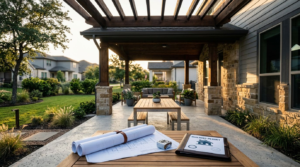
If you’re comparing bids, ask where the footings will sit and how the builder handles clay. Before you approve a plan, review patio cover footings depth in North Texas clay soil so you know what questions to ask.
Good patio cover footings do more than hold weight
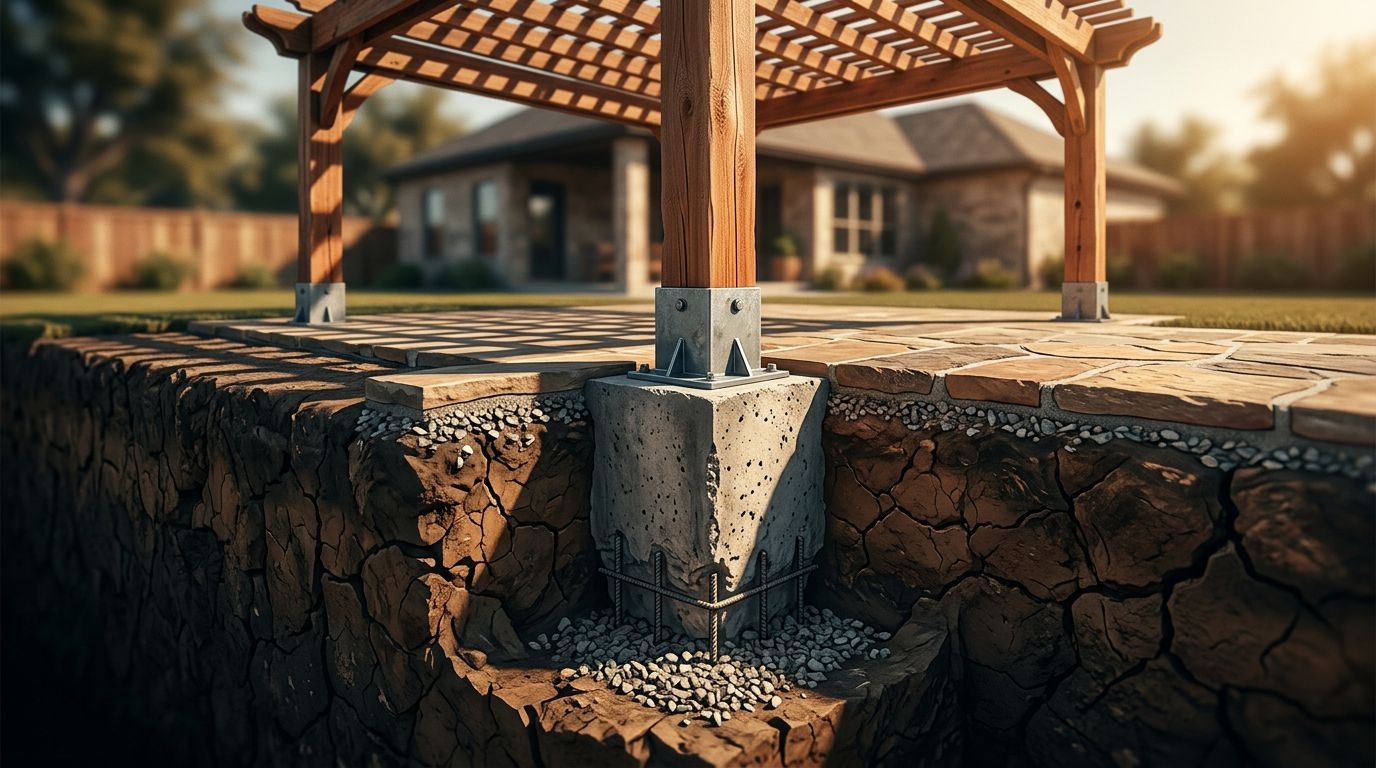
A footing has one job on paper, carry the load. In real life, it does more. It spreads weight, resists uplift, helps limit tilt, and gives each post a steady base when the soil around it changes.
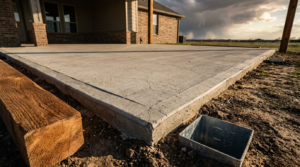
Depth matters because surface soil moves the most. The goal is to place concrete into more stable, undisturbed soil, not into loose fill near the top. Width matters too, because a wider footing spreads the load across more ground. Less pressure on the soil usually means less movement over time.
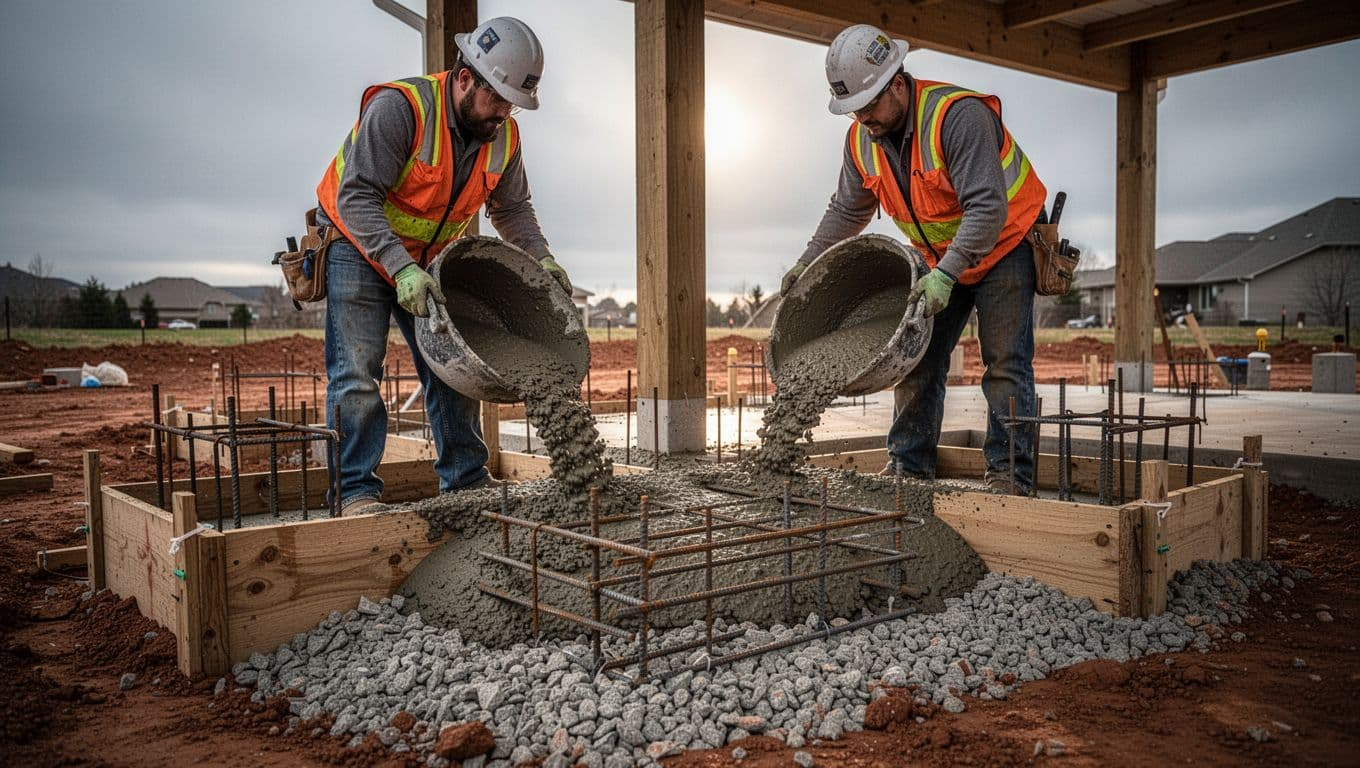
Rebar, anchor hardware, and drainage details matter for the same reason. North Texas storms don’t only push down. Wind can pull up, rack a frame sideways, and loosen weak connections. Meanwhile, poor drainage keeps soil wet longer, which can increase swelling around the footing.
A patio cover can look perfect on install day and still fail early if the footing plan ignores clay soil.
Post spacing changes the equation too. Wider spacing can create a cleaner look, yet each post may carry more load. That often means the footing design has to grow with the span. If you’re weighing layout options, compare cedar patio cover post spacing affecting footings before you lock in post locations.
The same cover can need a different footing plan from one yard to the next. A site with fill dirt, drainage issues, or past trenching may need extra care because disturbed soil doesn’t behave like untouched native clay.
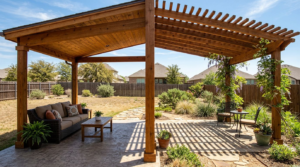
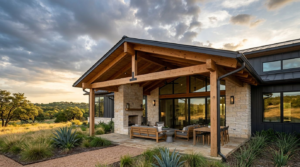
Attached covers still need careful footings on the outer beam line. Freestanding covers rely on them even more, because every post is doing structural work. If you’re planning a common backyard layout and want a practical example, see footing details for cedar patio covers.
Small footing problems turn into visible patio cover damage
Most homeowners don’t notice footings until something above ground looks wrong. By then, the concrete isn’t the only part under stress.
Look for a few warning signs:
- posts that no longer look plumb
- cracks or spalling around the base
- beam lines that dip or twist
- fasteners that loosen, squeak, or pull
- water that pools near post locations after rain
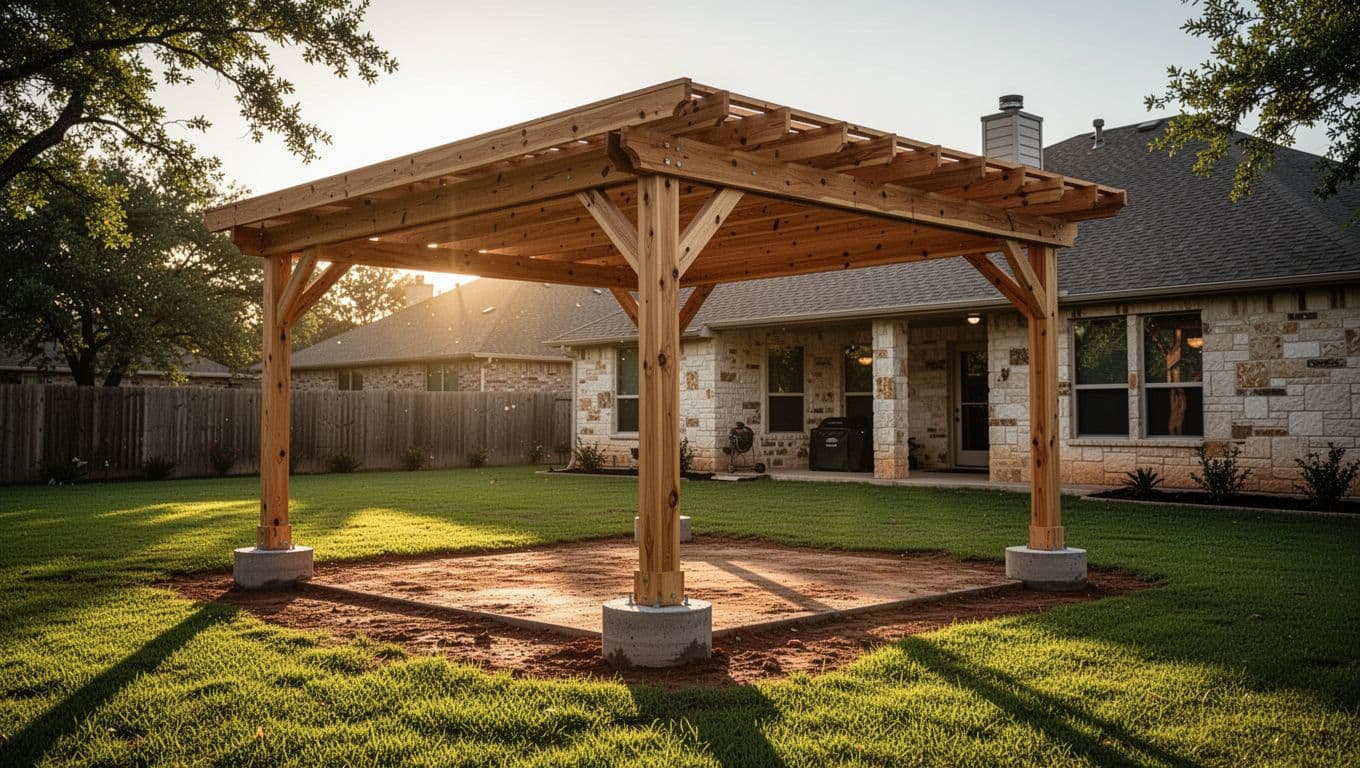
You may also notice the cover looking fine in one season and slightly off in another. That change is a clue in itself. Stable footings don’t usually come and go with the weather.
Those signs don’t always mean failure is close, but they do mean movement is happening. Because clay soil shifts slowly, the damage often builds one season at a time. A dry summer can open gaps. A wet spring can push the footing back the other way. After a few cycles, the frame stops sitting square.
Waiting usually makes repairs broader and pricier. A simple post adjustment may turn into new footings, concrete work, roof corrections, or a partial rebuild. So if a cover already looks off, get the structure checked before cosmetic fixes hide the cause.
Build for the soil you have, not the soil you wish you had
North Texas clay can be rough on outdoor structures, but it isn’t a mystery. The ground swells, shrinks, and tests weak concrete first. Strong patio cover footings give the frame a better chance to stay level, quiet, and solid.
Cedar, aluminum, and framed roofs all depend on the same hidden truth. The post, beam, and finish can only perform as well as the footing design below them.
If you’re planning a new cover, ask for footing depth, width, and reinforcement details before you sign. If you already see leaning posts or fresh cracks, get a footing review before you spend money on surface repairs. The prettiest patio cover in the neighborhood is only as steady as the concrete below it.