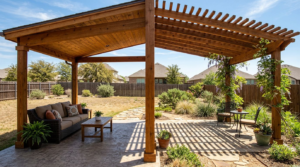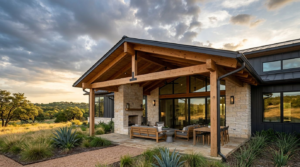
Texas weather doesn’t “test” a patio cover, it tries to pull it apart. A calm spring morning can turn into straight-line winds, hail, and wind-driven rain by dinner. That’s why patio cover wind ratings matter as much as the look of the stain or the shape of the roof.
If you’re planning a new cover or replacing an old one in North Texas, your builder should be able to show you exactly what the structure is designed to resist. Not in vague promises, but in clear documents and details you can review before you sign.
Below is what to ask for, what it means, and what should raise your eyebrows.
Why wind ratings matter for Texas patio covers (beyond “it’s sturdy”)
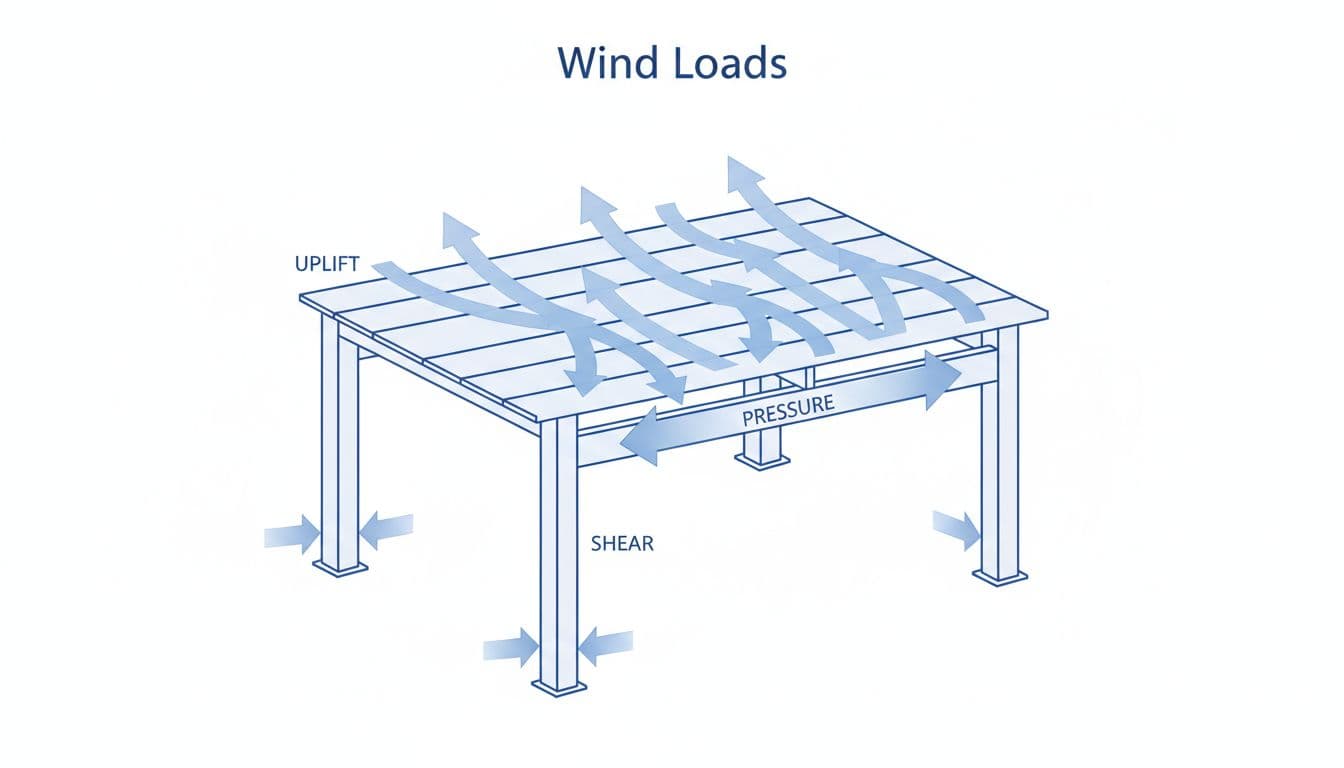
A patio cover fails in predictable ways. Wind lifts the roof like a hand under a lid. It pushes sideways on posts like a lever. Then the weak link gives first, often a connector, a ledger attachment, or a shallow footing.
That’s why patio cover wind ratings aren’t about a single “mph number” on a sales sheet. They’re about how the whole load path works, from roof to beam to post to concrete, and how it ties into your home when attached.
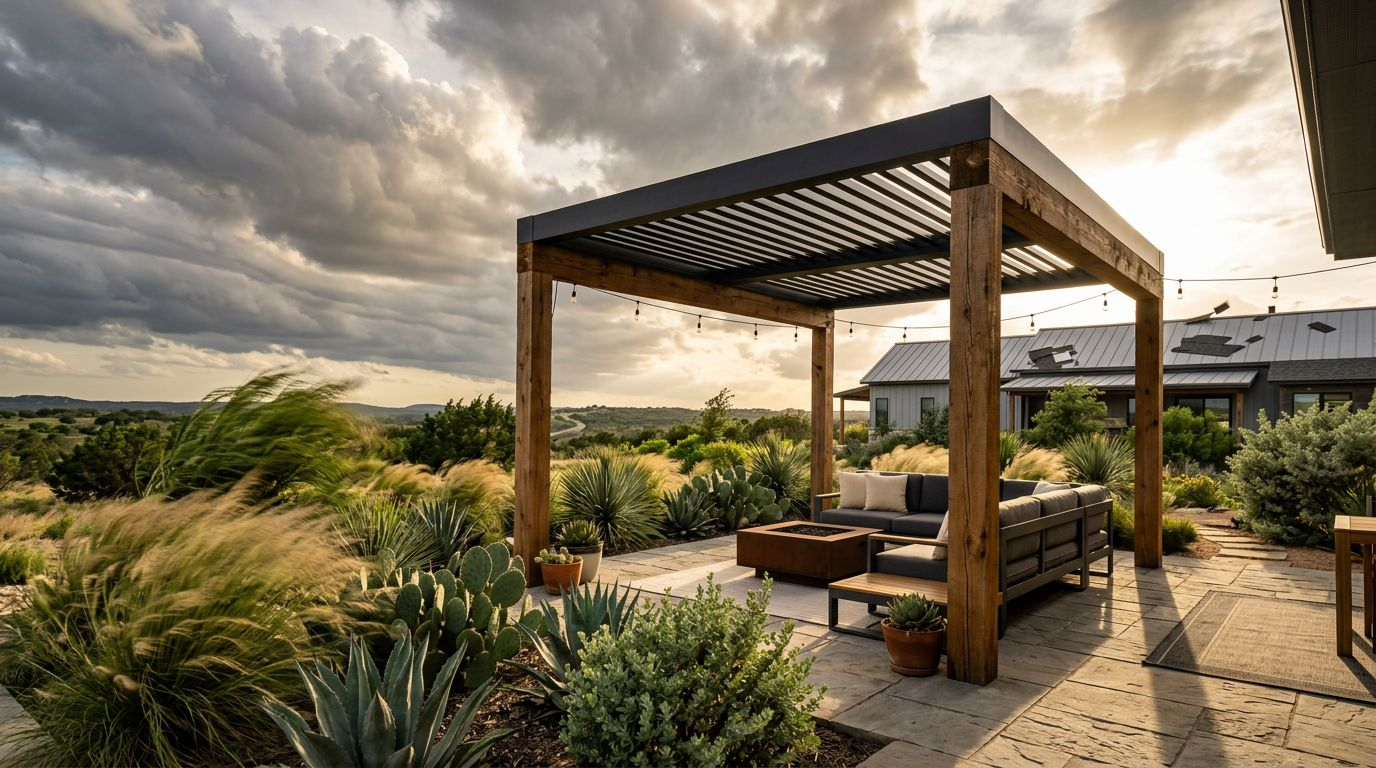
In places like Denton, Aubrey, and other open-lot neighborhoods, wind exposure can feel harsher than you’d expect. Wide backyards, fewer trees, and long roof spans all add stress. If your cover is freestanding, uplift and racking resistance become even more important because the house isn’t part of the bracing system.
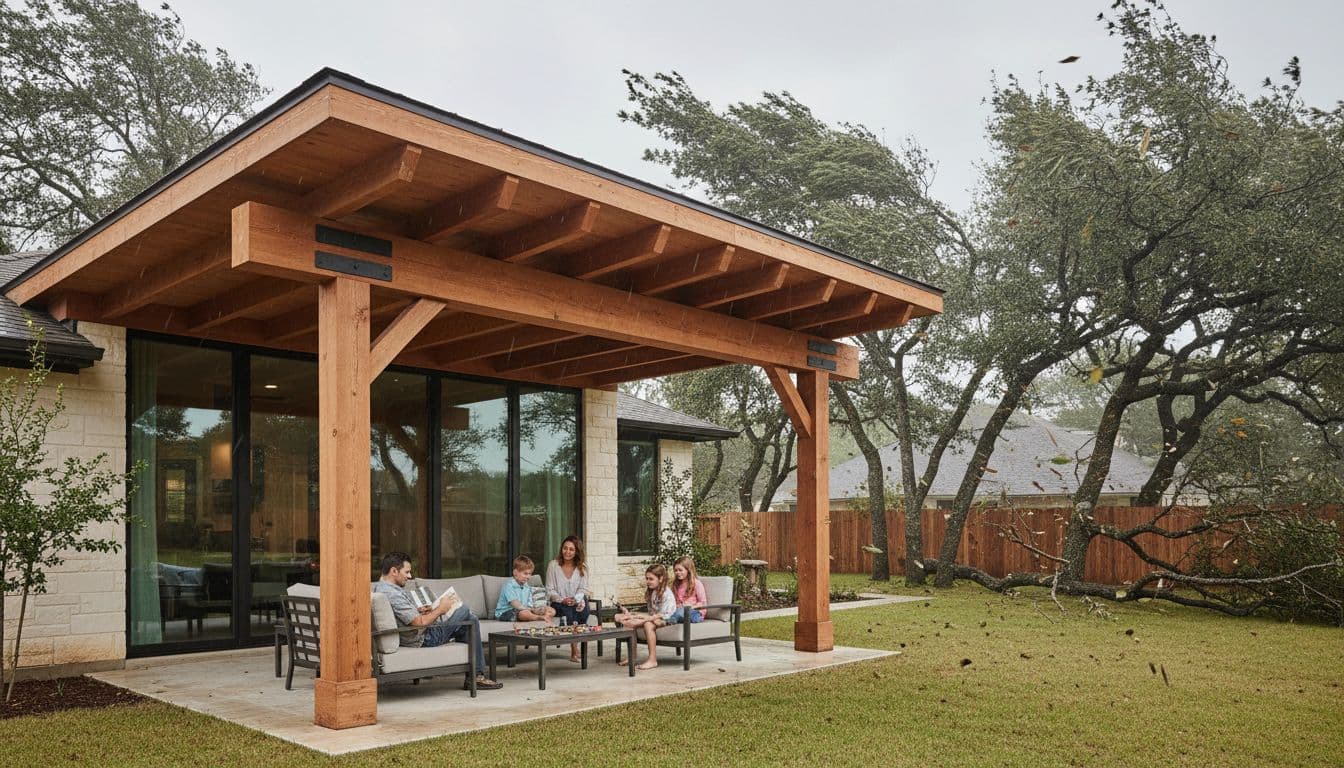
If your builder can’t explain how the roof is tied down and how the posts are anchored, you don’t have a wind-rated plan, you have a guess.
What “patio cover wind ratings” usually mean in Texas code terms
Texas doesn’t run on one single statewide residential code everywhere, so your city matters. Many North Texas cities follow an IRC-based residential code with local amendments. In March 2026, you’ll still hear builders reference IRC wind design concepts like wind speed, exposure category, and uplift connections.
Start by grounding the conversation in code language. Appendix guidance for patio covers is commonly referenced by jurisdictions, but it’s only mandatory when adopted locally. You can see how patio covers are addressed in Texas IRC Appendix AH patio cover provisions.
Your builder should also be able to tell you the design wind assumptions used for your address. In North Texas, basic design wind speeds are often discussed in the 115 to 130 mph range (3-second gust) depending on local maps and exposure. Don’t accept a generic number pulled from another job.
What your builder should show you before you approve the build
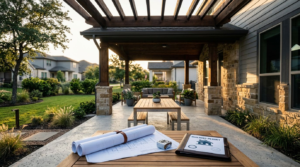
You don’t need to be an engineer to review wind-resistance details. You just need the right paperwork and clear drawings. Ask for the items below, then compare them to what gets installed.
Here’s a quick way to frame the request: “Show me what this is designed for, and show me how you’re building it to match.”
| What to ask for | What you’re looking for | Why it matters for wind |
|---|---|---|
| Site-specific wind basis | Design wind speed and exposure assumption | Wind pressure changes a lot by site conditions |
| Structural drawings | Beam sizes, rafter spacing, post layout | Overspans and under-sizing drive movement |
| Connection details | Post bases, straps, hangers, ledger bolts | Wind failures often start at connectors |
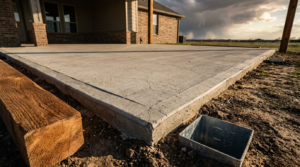
| Footing plan | Diameter, depth, rebar, concrete strength | Shallow footings can tilt or pull out |
| Permit plan set (if required) | A set that matches what gets built | Protects you during inspection and resale |
If your cover uses a roof system with evaluated products in coastal or special wind zones, product documentation may also come up. For background on how Texas evaluates exterior products in high-wind areas, review the Texas Department of Insurance product evaluation requirements.
If you’re considering cedar for strength and longevity, it helps to see how a local builder approaches layout, anchoring, and weather planning. For examples tied to North Texas conditions, see custom cedar patio covers built to withstand high winds.
When you want a second set of eyes on your plan and attachments, call 469-340-0839 and ask what wind details they include in a typical permit set.
Red flags that suggest the wind rating is more talk than design
Some problems don’t show up until the first big storm, but the warning signs show up early. Pay attention to how your builder answers basic wind questions.
A major red flag is “We build everything the same.” In Texas, that’s rarely true. A covered patio tucked into a sheltered Dallas backyard isn’t the same as a more exposed property near Aubrey’s open lots. If you’re comparing bids across cities, ask how each builder handles local permitting and site conditions. For service-area context tied to nearby projects, you can review patio cover projects in Aubrey Texas.
Also watch for missing connector talk. If the bid doesn’t mention straps, post bases, or ledger attachment, it’s incomplete. Finally, be cautious when someone dismisses permits as “optional.” Even when a detached structure sometimes avoids permitting under certain size thresholds, many attached covers still require review.
For coastal properties or windstorm insurance situations, documentation can get stricter. A simple overview is outlined in this windstorm certification FAQ.
People Also Ask: patio cover wind ratings in Texas
What wind rating should a patio cover have in North Texas?
You want a design based on your city’s adopted code and your site exposure, not a one-size claim. Ask for the design wind basis used on the plans and how uplift is resisted at every connection.
Is “mph wind rating” enough to compare builders?
No. Two covers can claim the same wind speed and perform very differently. Connection hardware, post anchoring, and beam spans often decide the real outcome.
Do patio covers need engineering in Texas?
Sometimes. Longer spans, heavier roofs, unusual framing, or certain jurisdictions can trigger engineered drawings. Your builder should tell you when an engineer stamp is required for permit approval.
Do Texas cities actually enforce patio cover wind requirements?
Many do through plan review and inspections, especially for attached structures. To see how some cities publish patio cover appendix language, compare Dallas patio cover appendix text with what your local building office adopts.
Conclusion: get the proof, not the promise
A patio cover should feel like a permanent part of your home, not a weekend add-on. When you ask for patio cover wind ratings in writing, plus the drawings and connection details behind them, you protect your budget and your backyard.
If your builder can’t show the wind basis, the load path, and the hardware plan, keep shopping. When you’re ready to review a site-specific design with a North Texas builder, call 469-340-0839.
Meta title: Texas Patio Cover Wind Ratings: What Your Builder Should Show
Meta description: Learn what patio cover wind ratings mean in Texas, what documents to request, and the red flags to avoid before building in Denton and North Texas.
Primary keyword: patio cover wind ratings