Why Cedar Patio Covers Outlast Other Options
Homeowners researching patio cover materials quickly discover that not all options are created equal. Some fade. Some warp. Others simply don’t stand up to years of sun, storms, and temperature swings—especially in demanding climates like North Texas. Cedar, however, consistently rises above the rest. It’s not just a visually rich, natural material—it’s a high‑performance wood species engineered by nature to survive outdoors. That’s why many Texas homeowners, builders, and architects prefer cedar over aluminum, vinyl, and lower-grade woods.
This guide explores the science, durability, longevity, and cost benefits behind cedar patio covers—and explains why this material repeatedly outlasts its competitors in real backyard conditions. If you’re planning a custom shade structure and want it to look beautiful decades from now, cedar is the material built to deliver.
The Natural Durability of Cedar Wood
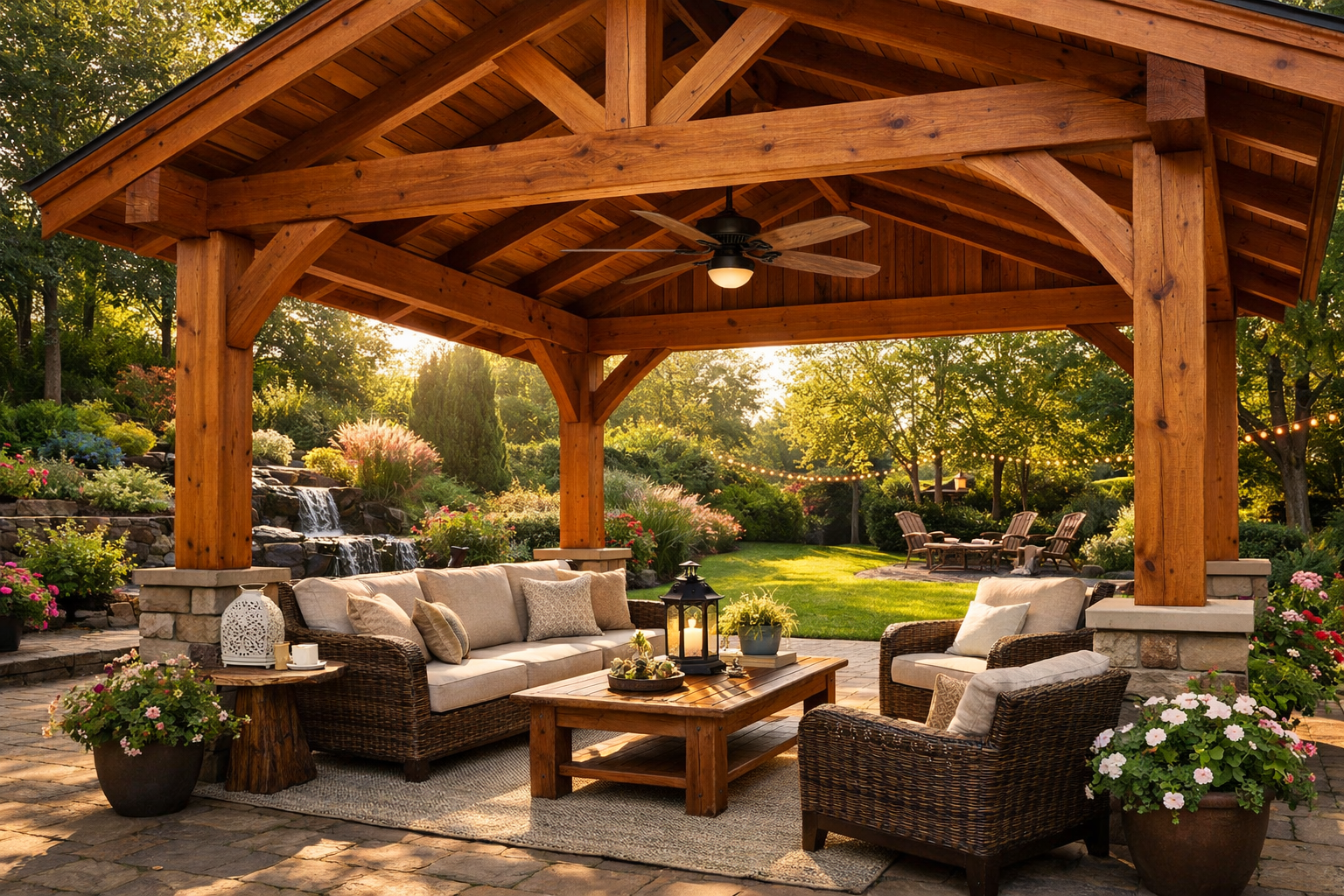
Cedar has a reputation for lasting longer outdoors—and that reputation isn’t marketing hype. It’s supported by centuries of use in boats, fences, shingles, and timber structures exposed to harsh weather. What makes cedar unique is that its durability isn’t manufactured or chemically applied. The wood itself contains natural compounds that protect it long-term.
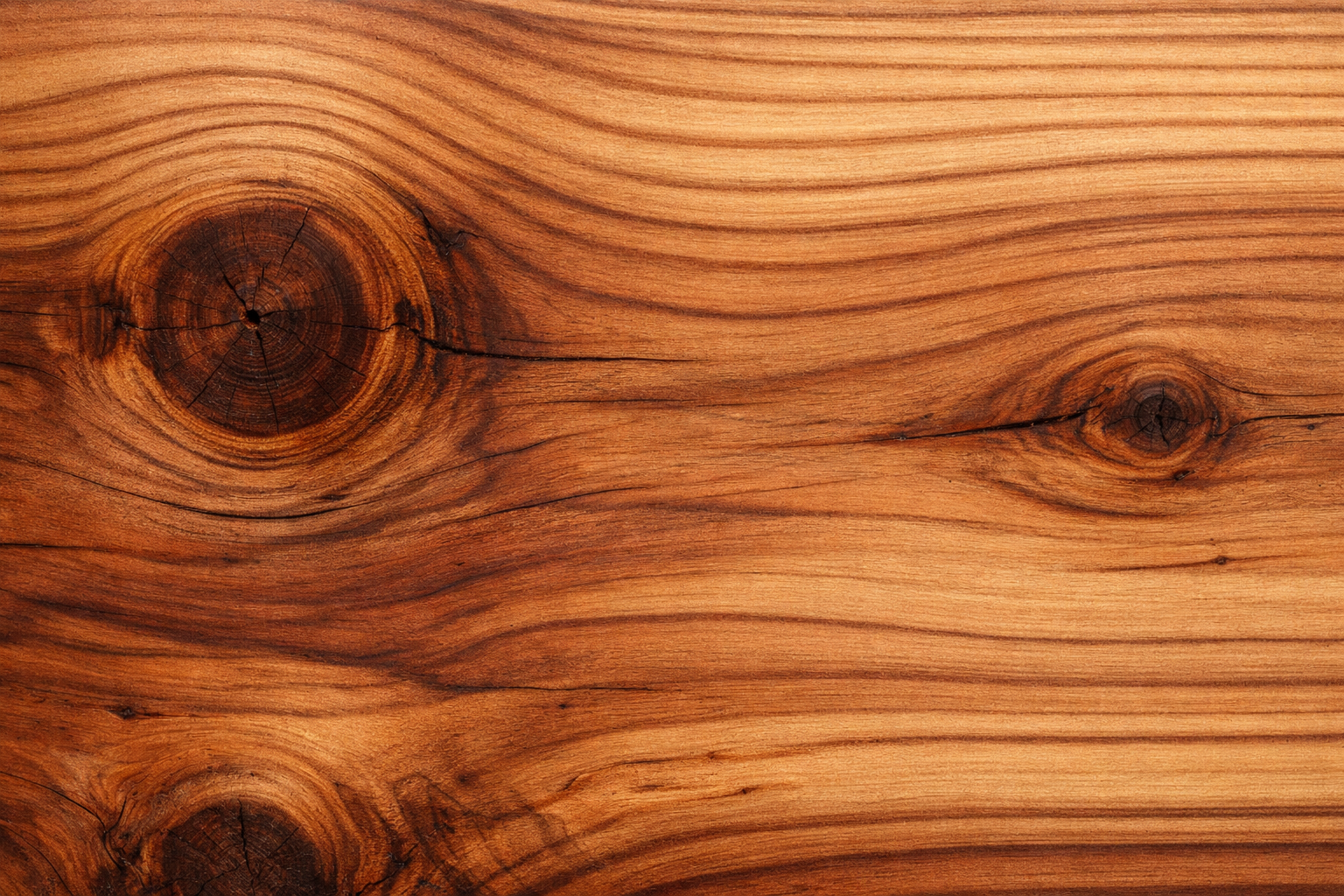
- Cedar contains natural oils that resist rot, decay, and insect damage better than most other wood types used in outdoor structures.
- Its cellular structure allows it to withstand moisture without warping or cracking, extending the lifespan of the patio cover.
- Cedar ages gracefully and maintains strength even when exposed to harsh outdoor environments for decades.
- Unlike man-made materials, cedar does not degrade under UV exposure and retains structural integrity over time.
Cedar is one of the few building materials that becomes more stable and beautiful as it ages, instead of deteriorating under the elements.
If you’re comparing materials for an outdoor shade structure, it’s also worth reviewing how cedar performs in real projects. Our article on upgrading outdoor living with cedar patio covers highlights how homeowners consistently choose cedar for its long-term stability and natural resilience.
Why Cedar Outperforms Aluminum and Vinyl Covers
There are three materials homeowners commonly compare to cedar: aluminum, vinyl, and lower-grade woods like pine. While each has its place, none match the balanced combination of strength, longevity, and visual appeal that cedar brings. Here’s how they compare in long-term real-world performance.
- While aluminum covers may dent or fade over time, cedar maintains its appearance and structural reliability with minimal maintenance.
- Vinyl covers can crack or discolor after years of sun exposure, whereas cedar weathers naturally into an attractive silver-gray patina.
- Cedar offers better temperature regulation than metal covers, making outdoor spaces more comfortable in hot climates.
- The natural beauty of cedar provides unmatched visual appeal compared to the artificial look of aluminum and vinyl.
For a deeper comparison on local performance, see our breakdown in Cedar vs. Aluminum Patio Covers—a helpful resource for homeowners deciding between natural wood and manufactured materials.
Cedar’s Superior Resistance to Weather and Climate
Cedar doesn’t just survive outdoor weather—it thrives in it. North Texas, for example, puts materials through extreme humidity, sudden storms, high heat, and UV exposure. Many patio covers begin to show wear within a few seasons under these conditions. Cedar, however, handles climate extremes with minimal movement or degradation.
- Cedar performs exceptionally well in both hot and humid environments, resisting mold and mildew that affect other materials.
- Its stable structure prevents shrinking and swelling commonly seen in lower-grade woods.
- Cedar patio covers maintain their strength even through extreme seasonal changes, ensuring long-term reliability.
- Wind, rain, and sun exposure have less impact on cedar due to its unique natural preservatives.
If you live in a region with harsh summers, our guide on patio cover designs for west‑facing North Texas backyards explains why cedar is one of the few materials that holds up without constant repairs.
Long-Term Cost Savings With Cedar
Some homeowners initially assume cedar is more expensive. While its upfront cost is higher than vinyl or some aluminum options, its lifetime value is significantly better. This makes cedar one of the most cost-effective materials over a 20‑ to 30‑year lifespan.
- Although cedar can cost more initially, reduced repairs and maintenance make it more cost-effective over time.
- Cedar’s long lifespan means homeowners rarely need to replace or extensively repair their patio covers.
- Lower maintenance requirements save money on treatments, coatings, and labor over the years.
- The material increases home value due to its premium appearance and lasting durability.
Key Takeaway:
Investing in cedar saves money long-term by reducing replacements, preventing structural issues, and delivering a premium look that boosts property value.
For a detailed cost overview, see How Much Does a Cedar Patio Cover Cost? or our per‑square‑foot breakdown in custom cedar patio cover pricing.
Aesthetic Advantages That Last Decades
A patio cover isn’t just a functional shade structure—it’s a visible architectural feature that influences curb appeal, outdoor living quality, and home value. Cedar stands out because it brings a timeless warmth and character that man-made materials simply can’t replicate.
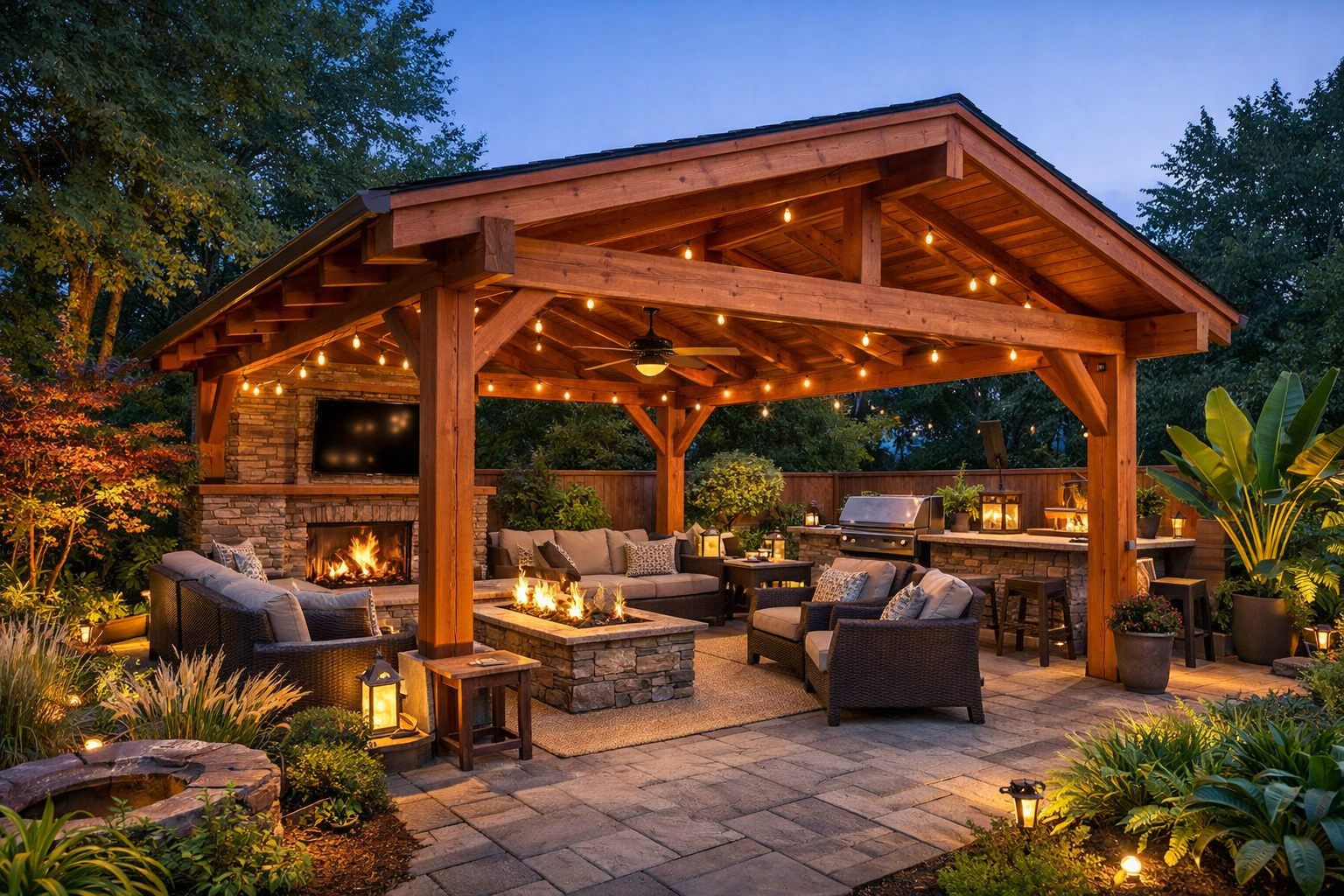
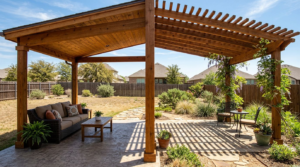
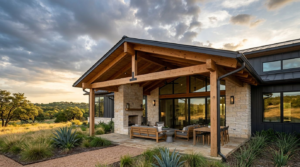
- Cedar’s warm tones and rich grain patterns create a timeless, upscale appearance that enhances outdoor living spaces.
- It blends naturally with landscaping and architectural features, offering versatility in design.
- Cedar ages beautifully, allowing homeowners to choose between preserving its color or letting it develop a natural patina.
- Its unique character ensures that each patio cover looks custom and refined.
To explore real-world examples, visit our posts showcasing regional designs such as luxury cedar shade structures in Flower Mound or cedar patio covers in Lewisville.
Conclusion: Why Cedar Is the Superior Long-Term Investment
Cedar patio covers last longer, perform better, and look more beautiful than aluminum, vinyl, or lower‑grade wood options. With natural resistance to rot, insects, moisture, and UV exposure, cedar is one of the few materials built to handle decades of outdoor weather without losing structural integrity. Its timeless aesthetic, lower long‑term maintenance costs, and superior climate performance make it the clear choice for homeowners seeking both durability and beauty.
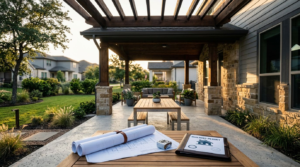
If you’re considering a custom cedar patio cover for your home, a professional build ensures proper design, engineering, and installation—so the structure lasts as long as the material itself.
Ready to Upgrade to a Cedar Patio Cover?
Contact JBN Patio Covers today to learn how a professionally built cedar structure can transform your outdoor space and last for decades.
Or call: 469-340-0839